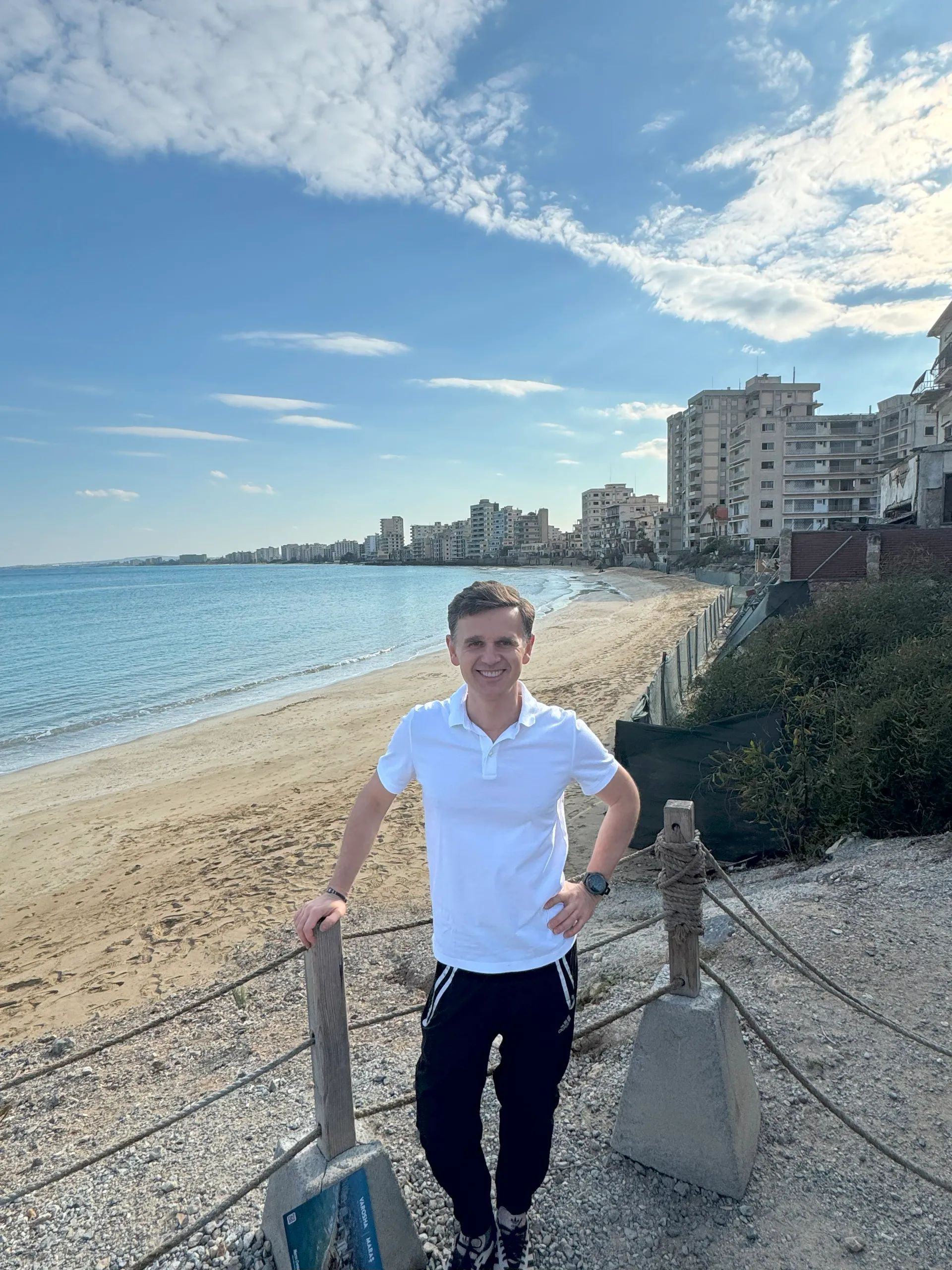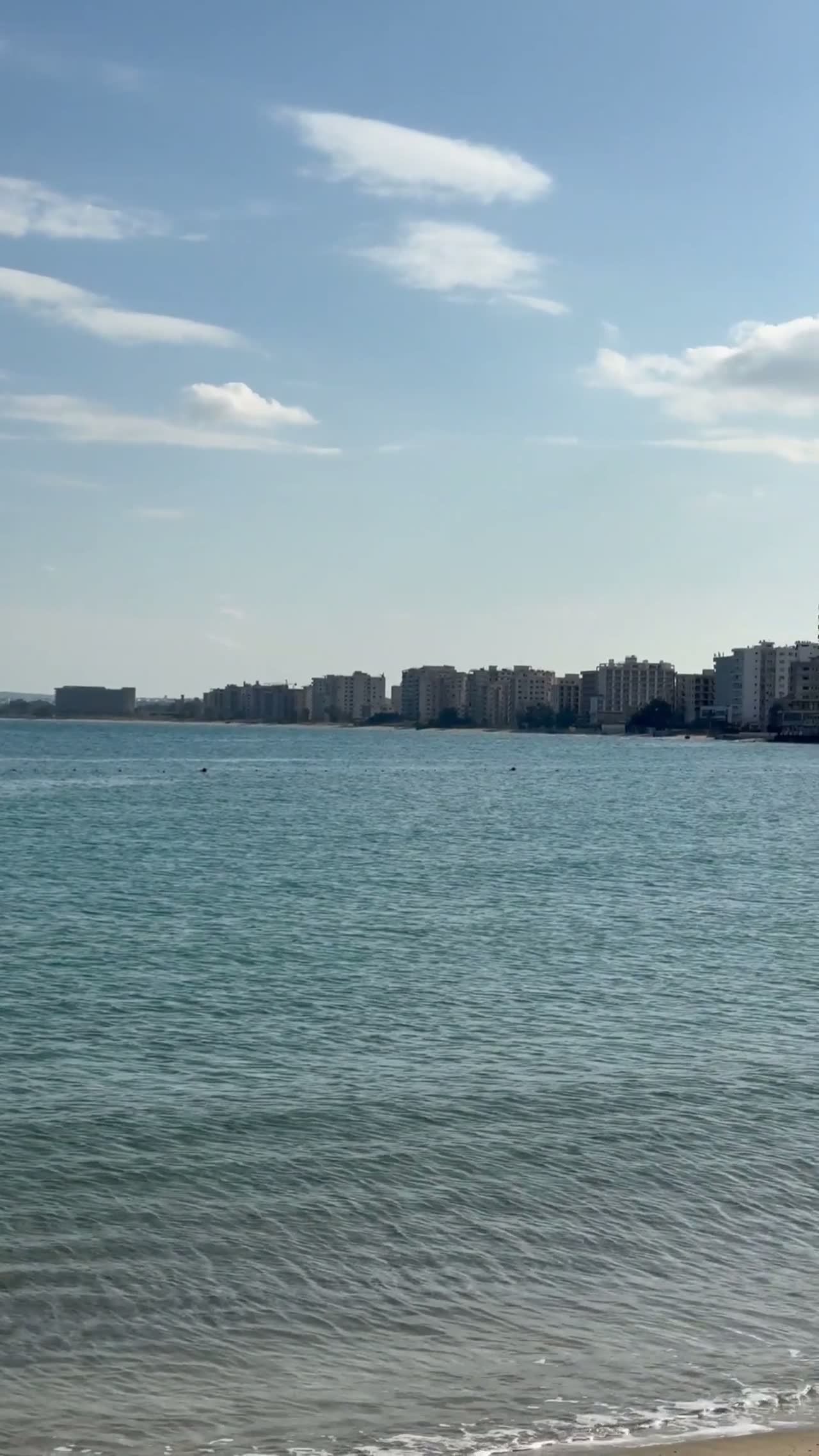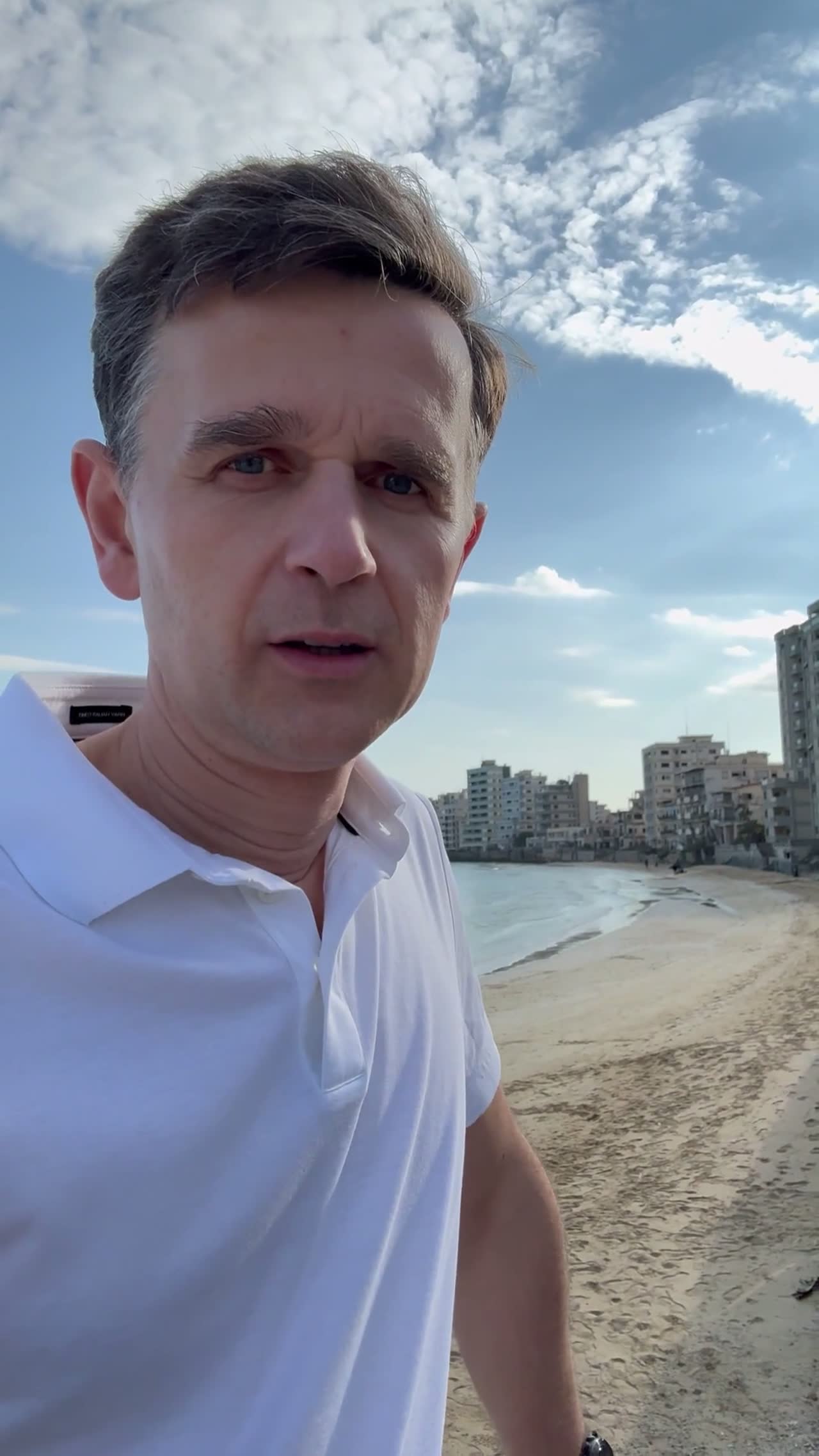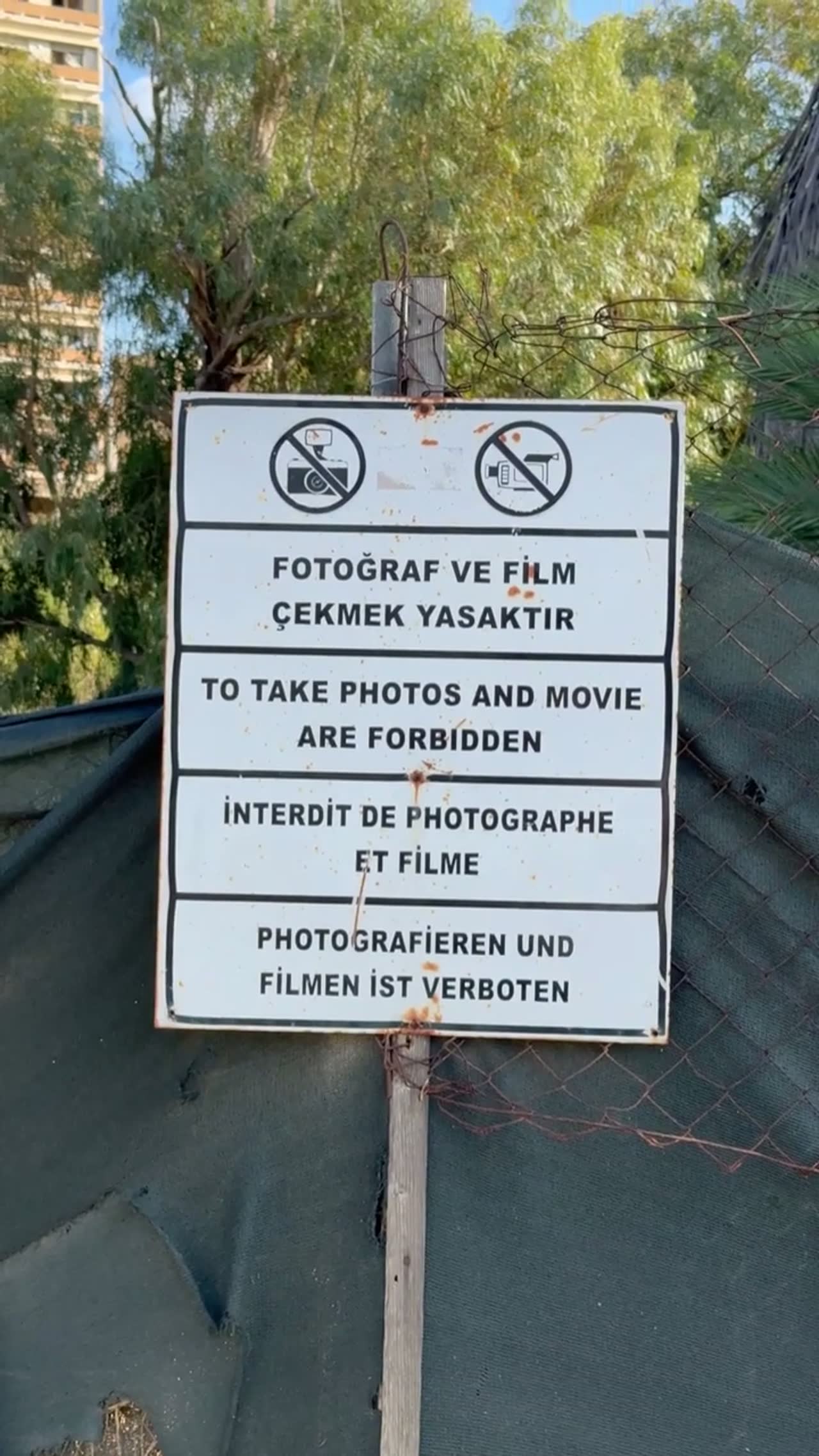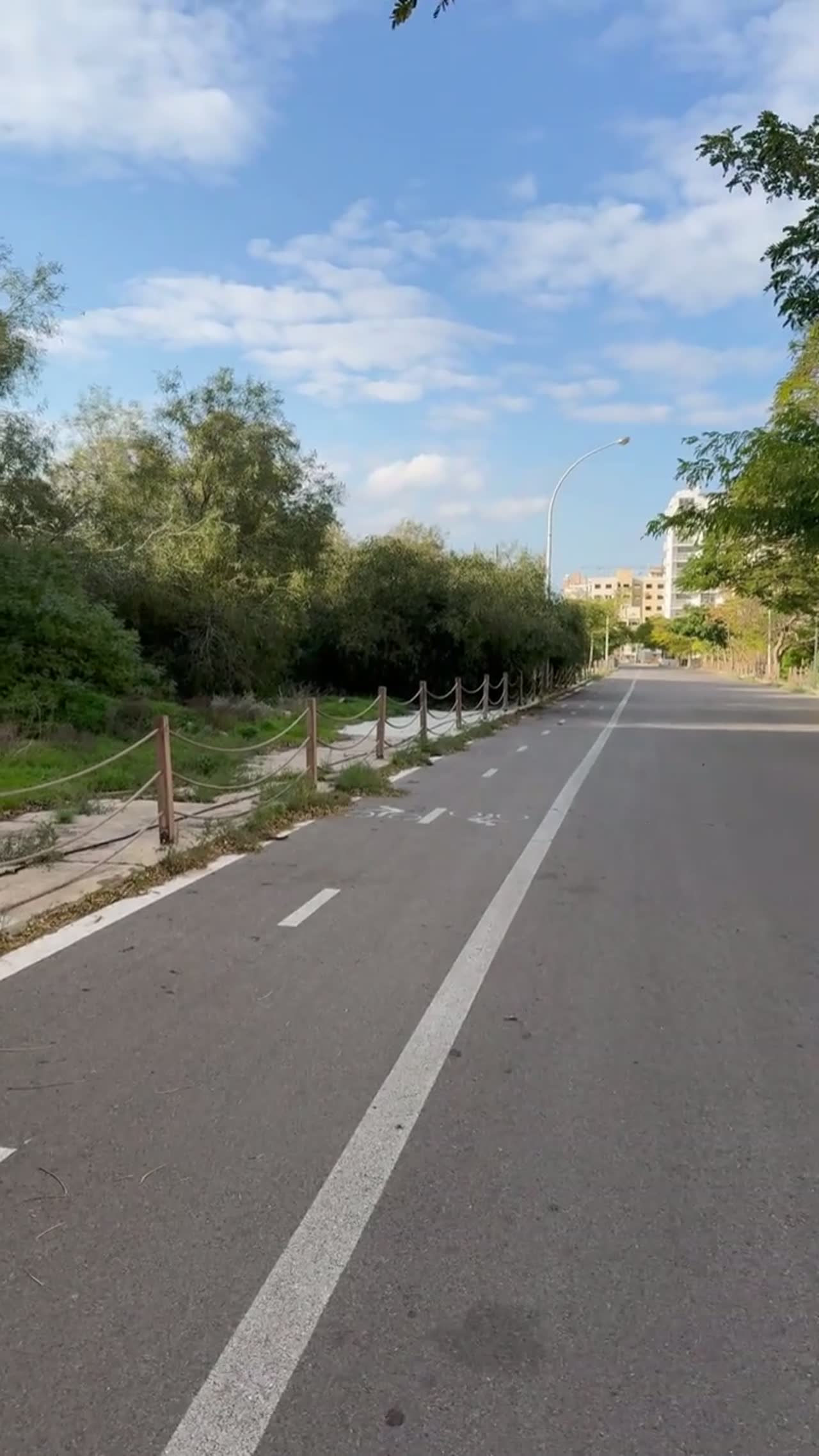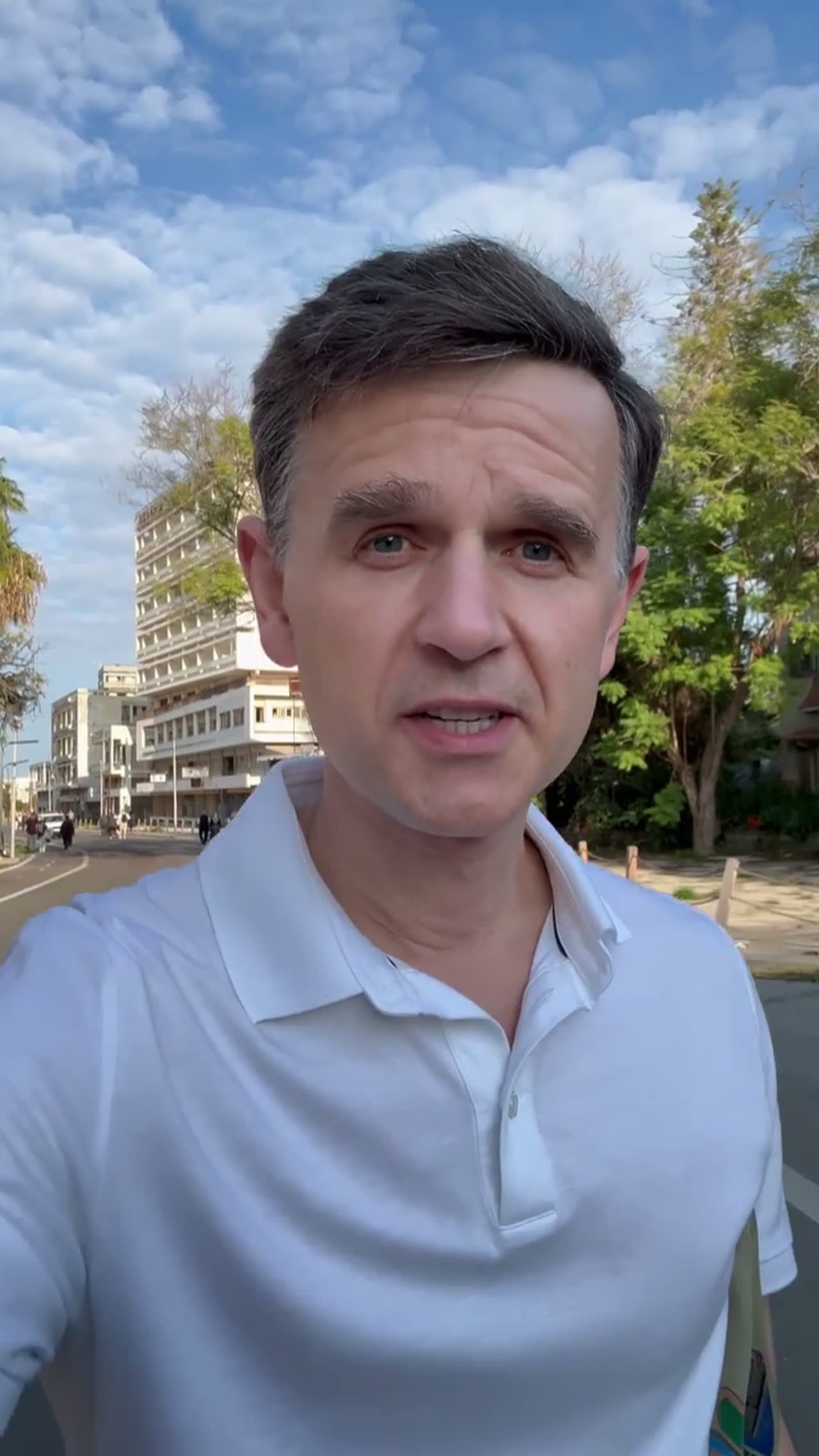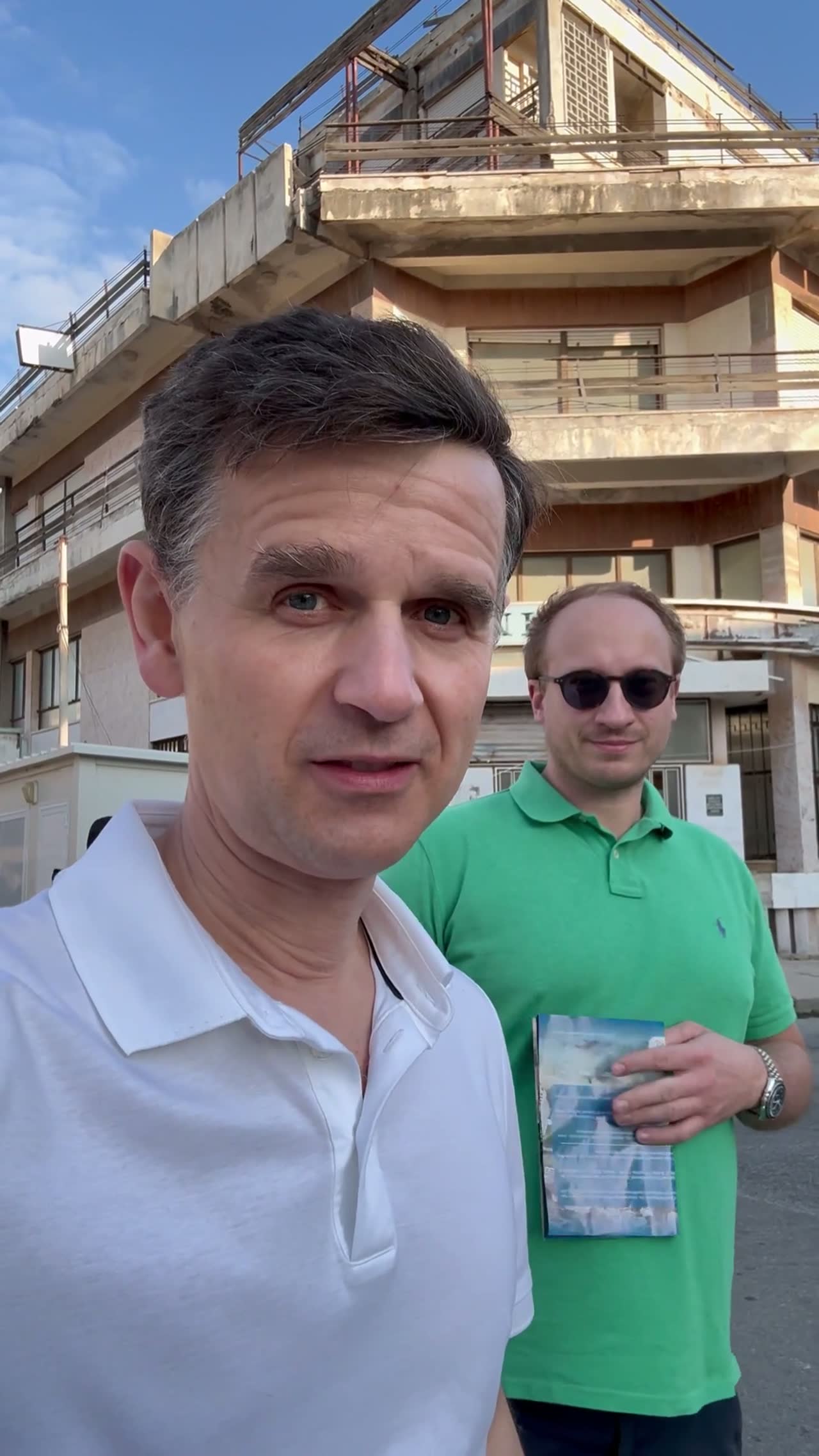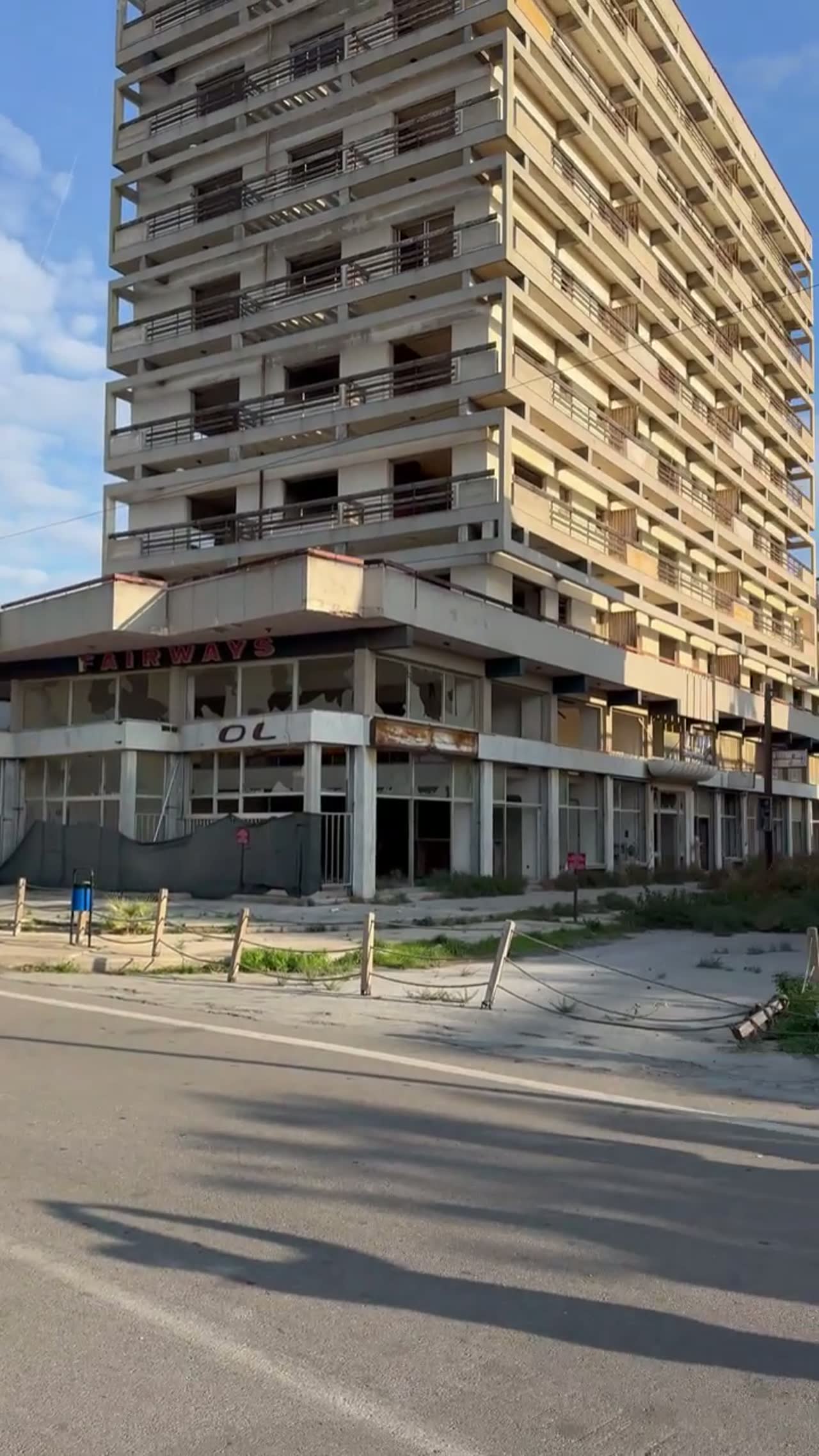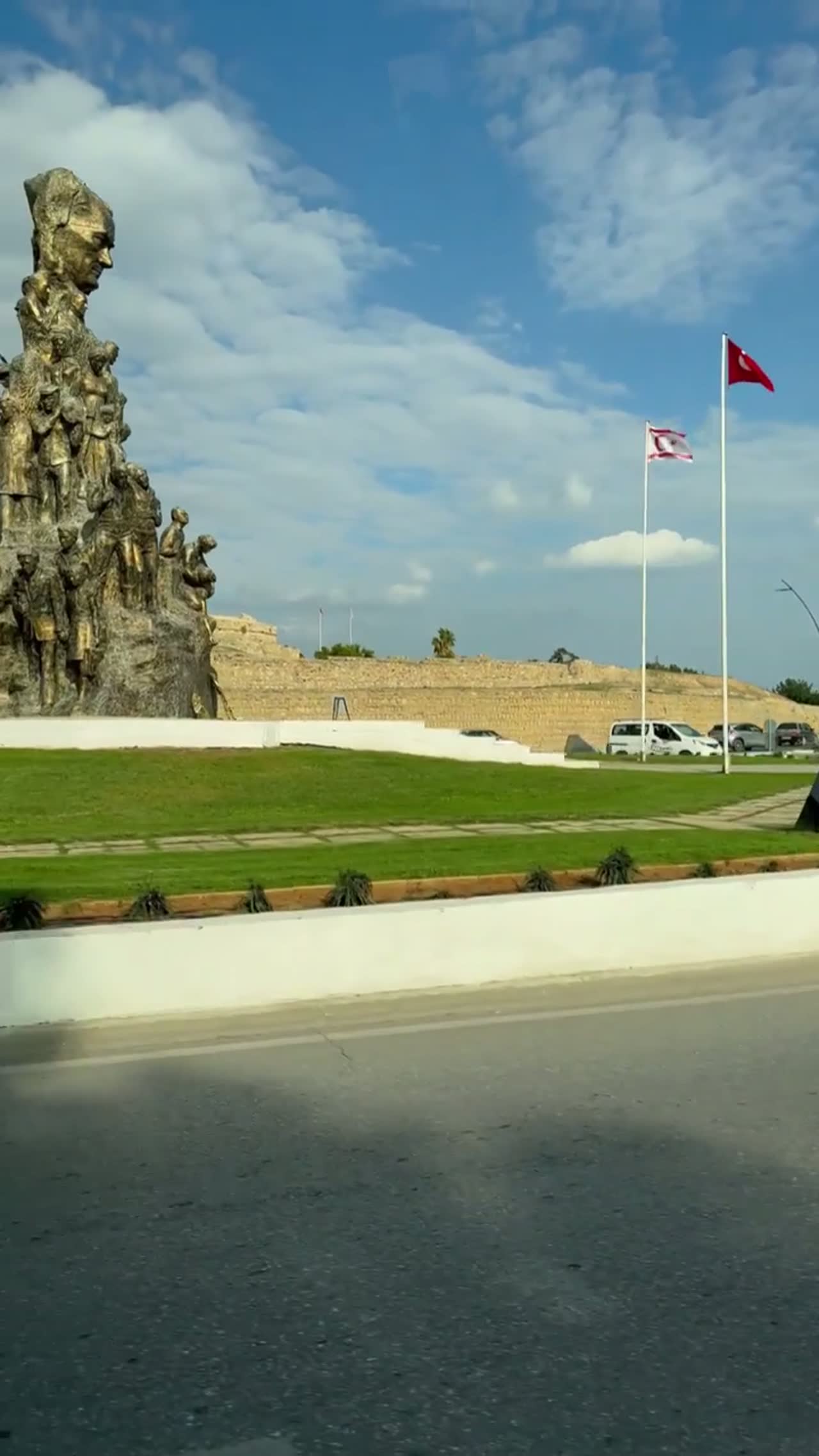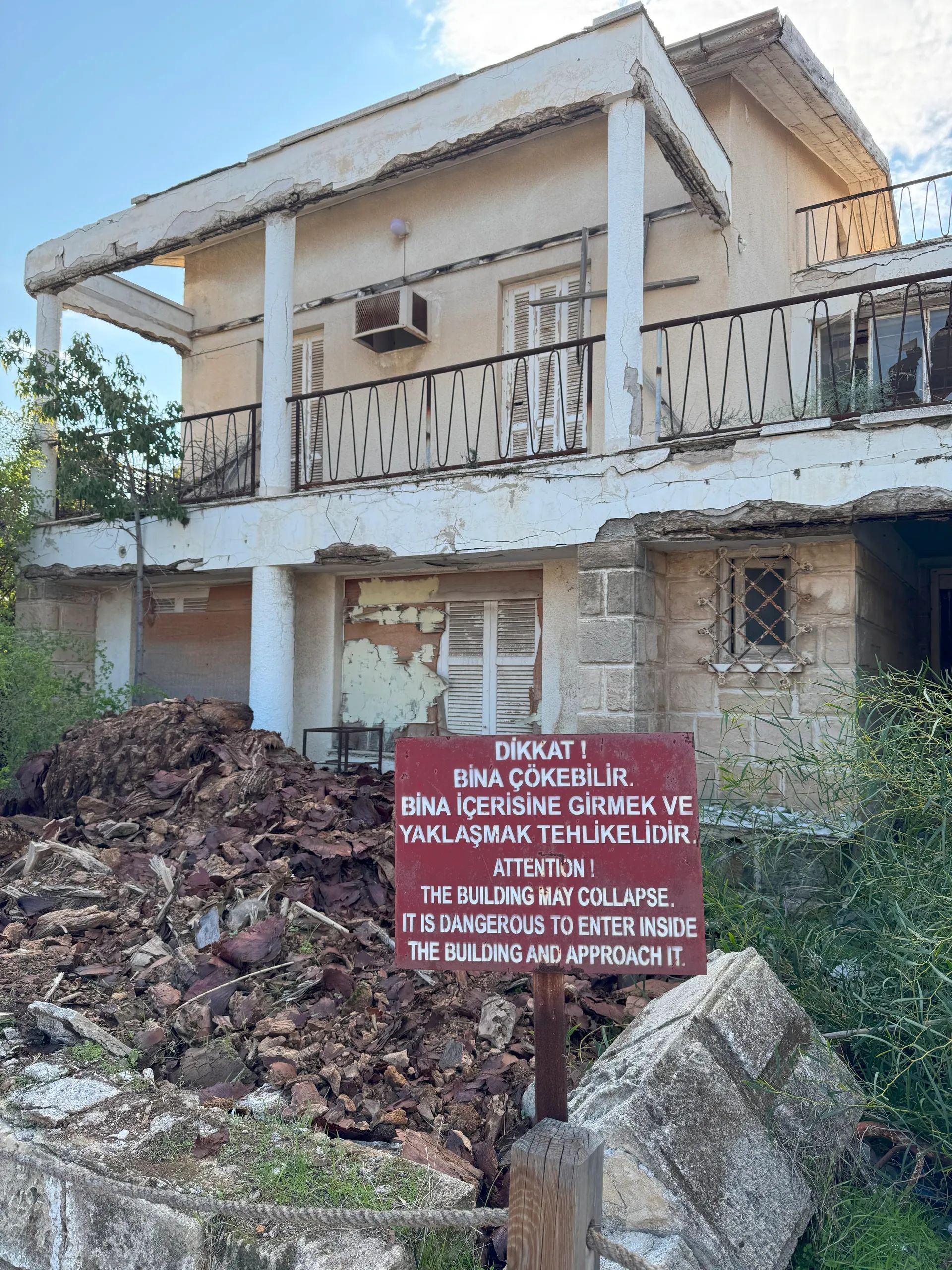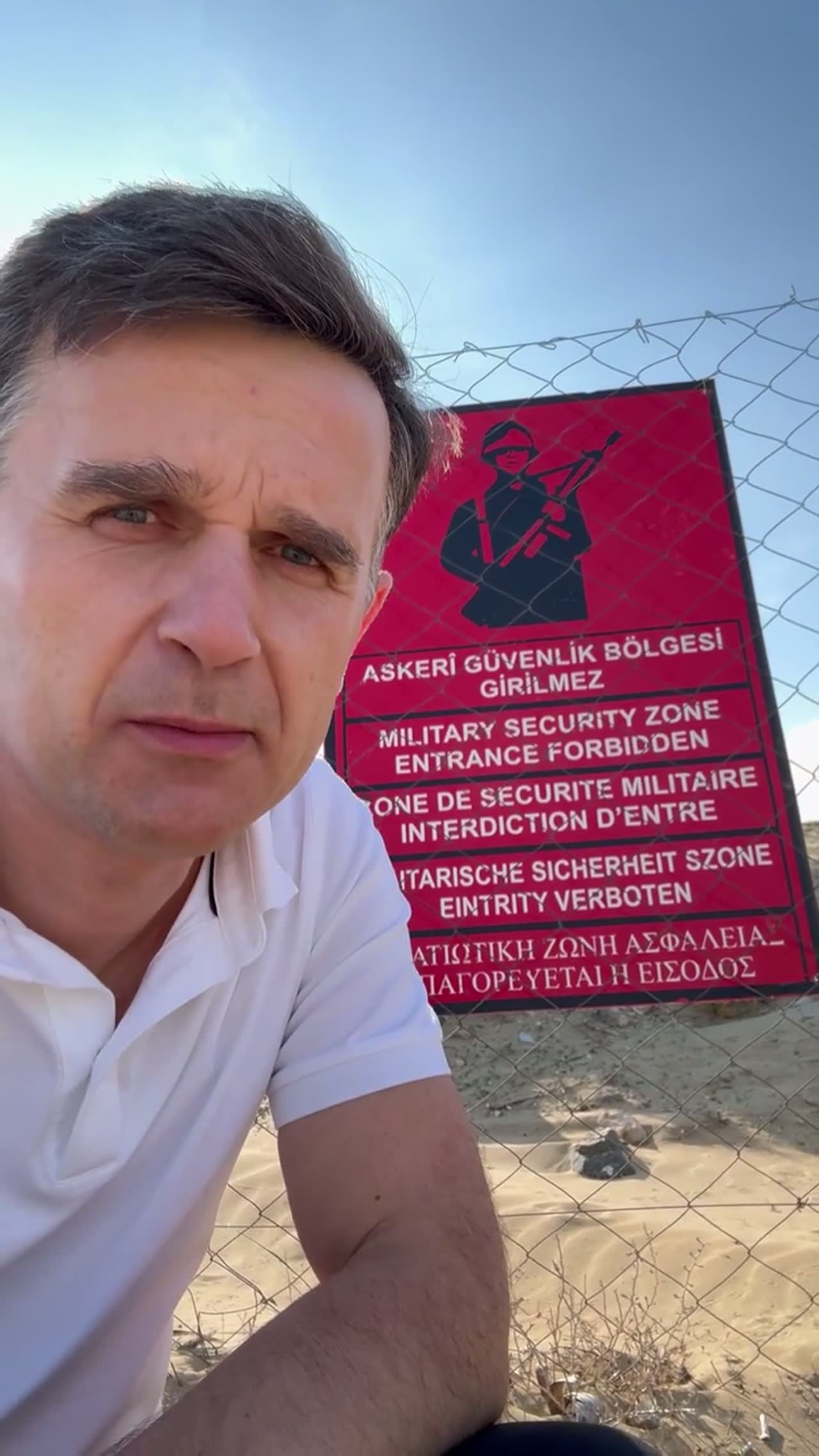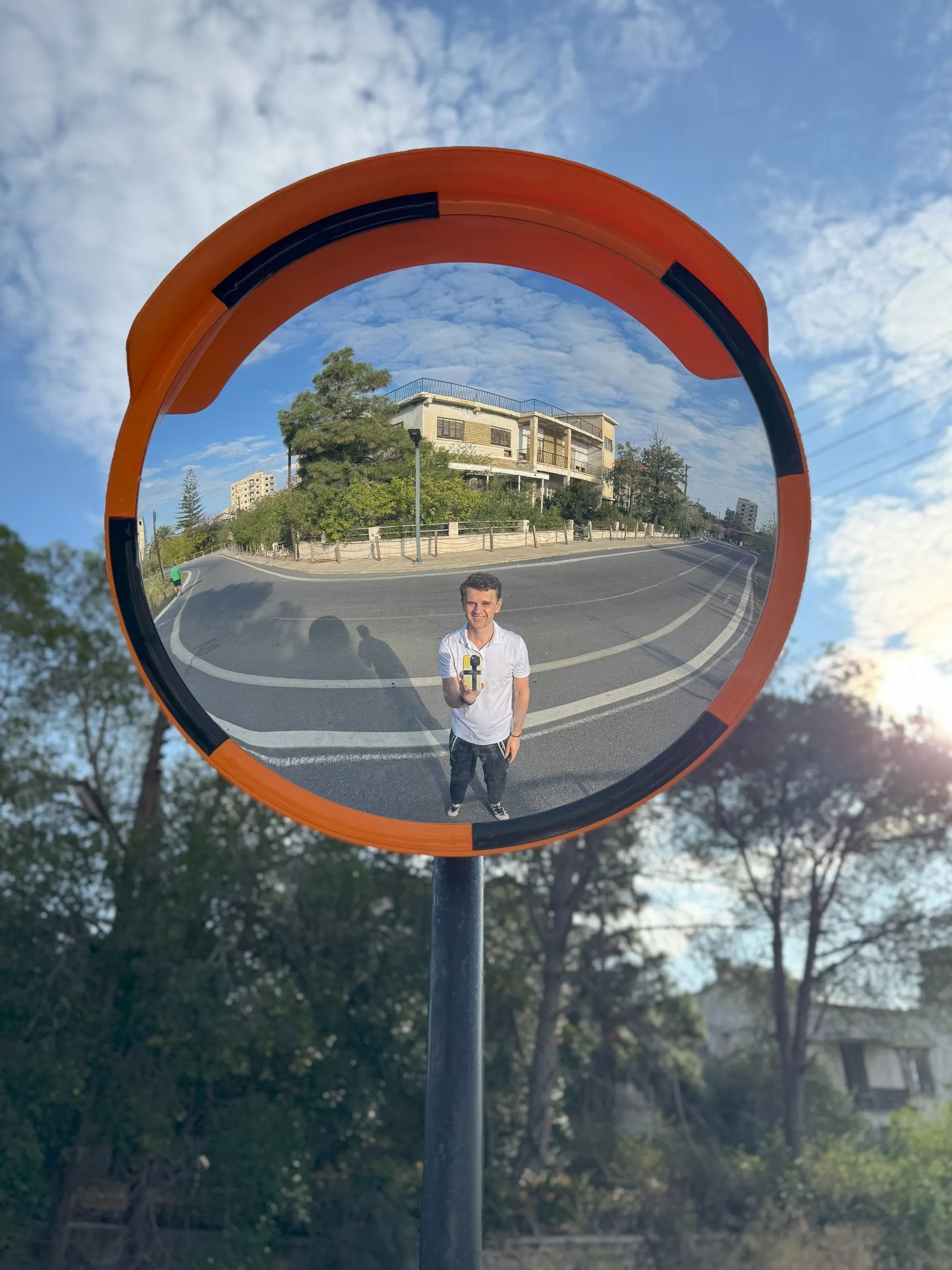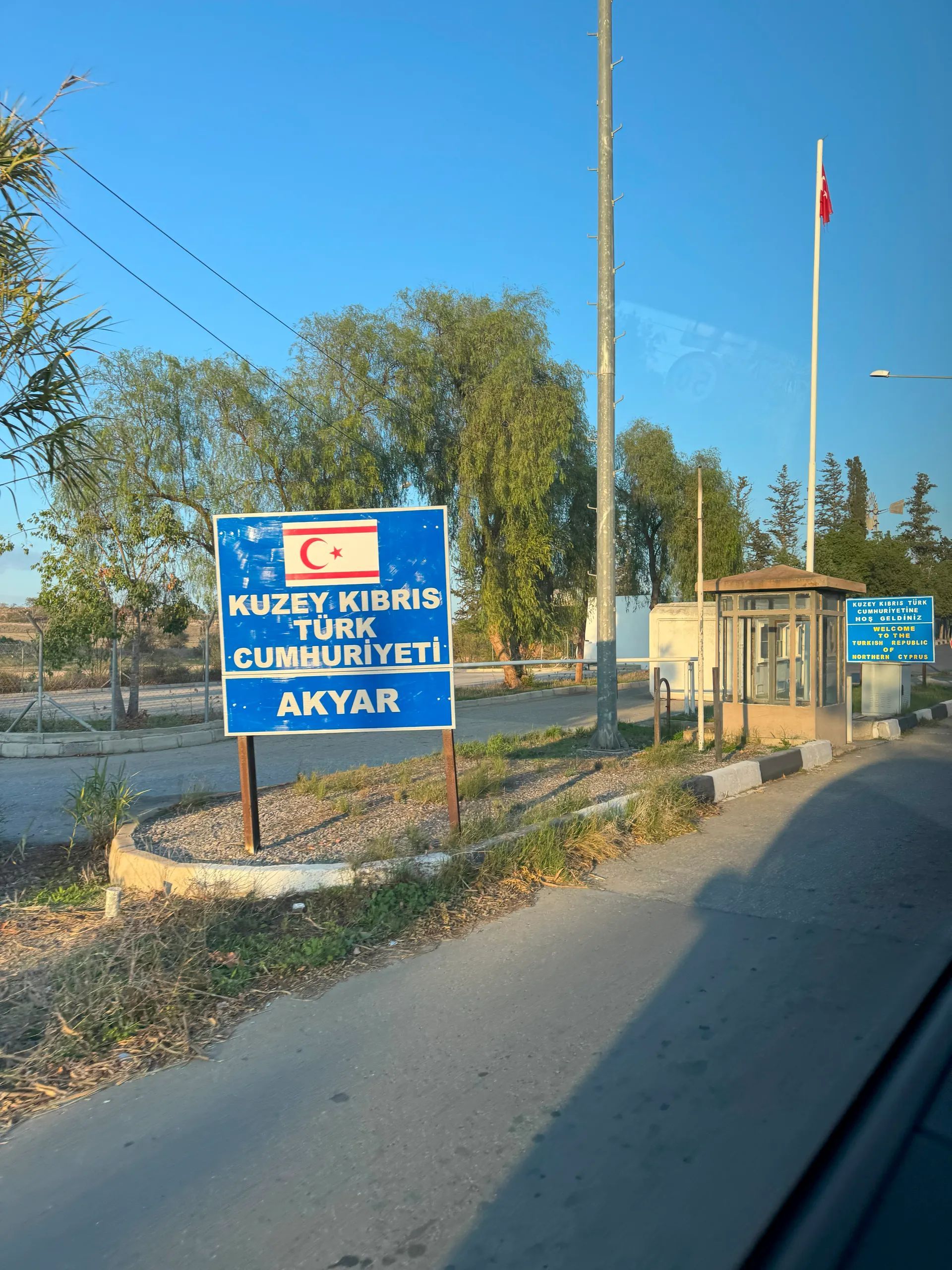
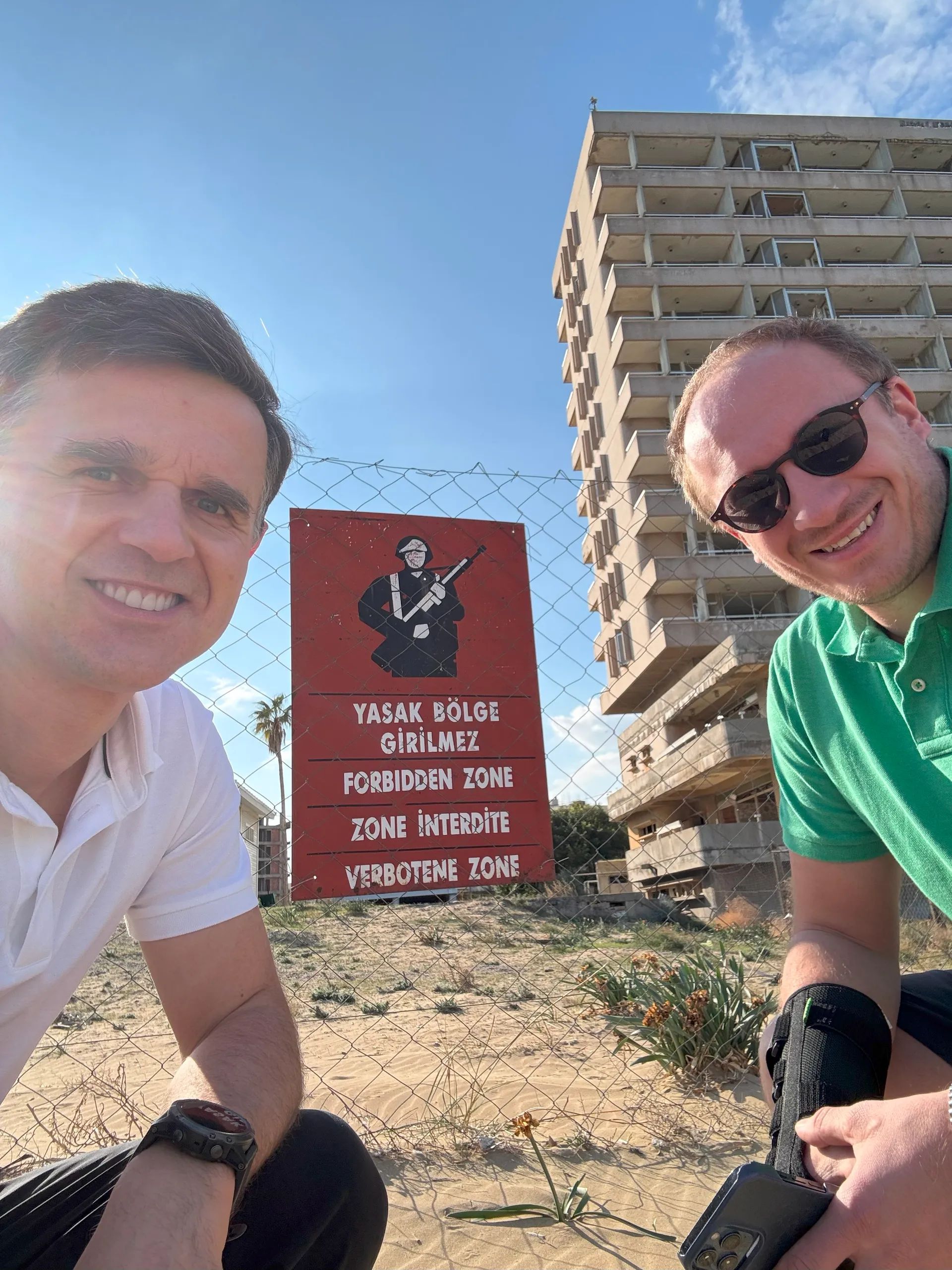
I first saw Varosha from behind the wire — a quiet stretch of Mediterranean shoreline framed by vacant hotels, silent streets, and the occasional rattle of wind against shattered glass. The buildings remain upright but hollowed out, with interiors exposed and the texture of abandonment worn into every surface. Faded signs still hang over doorways, stairwells sit open to the sky, and nature steadily infiltrates concrete and tile.
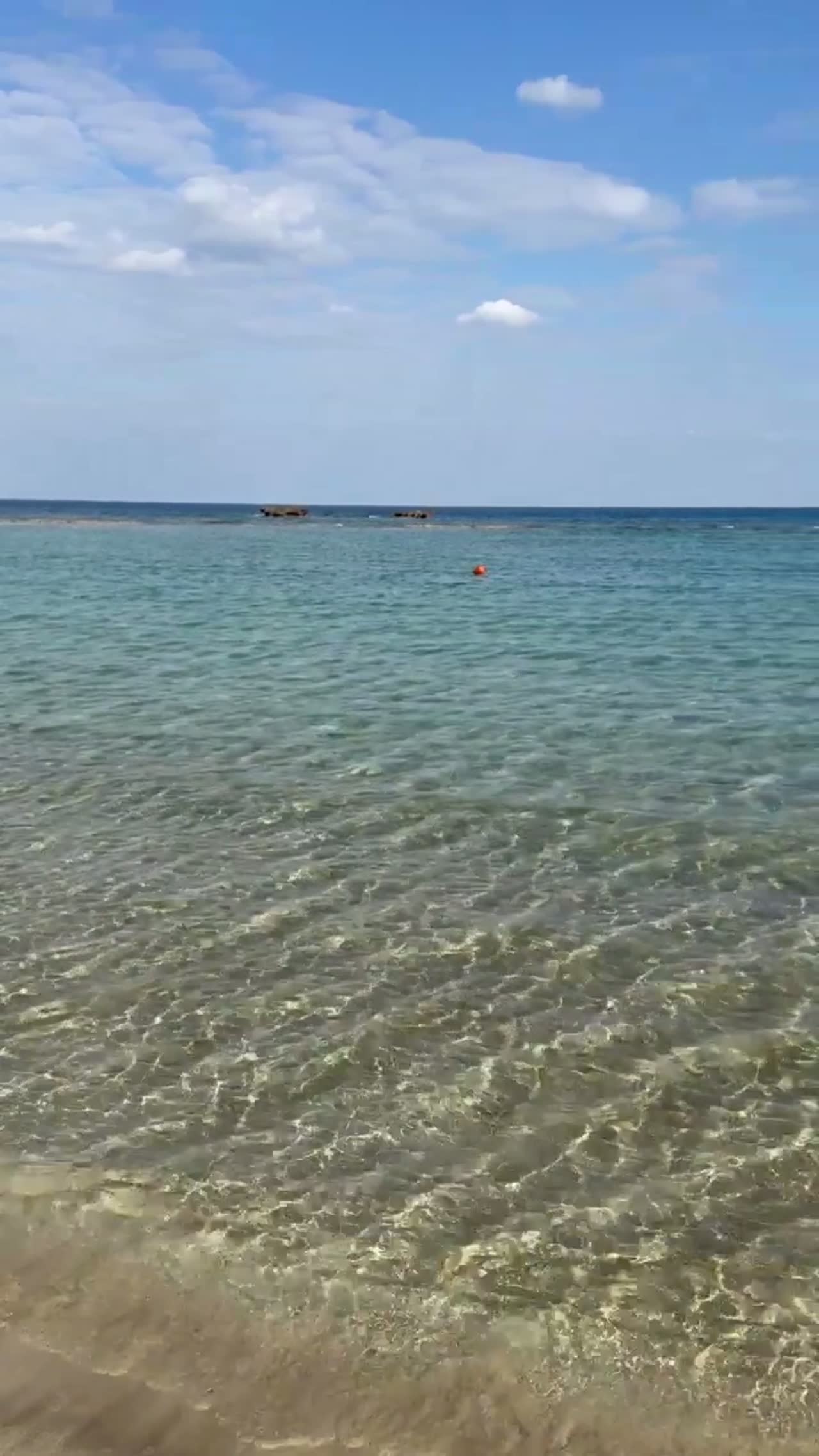
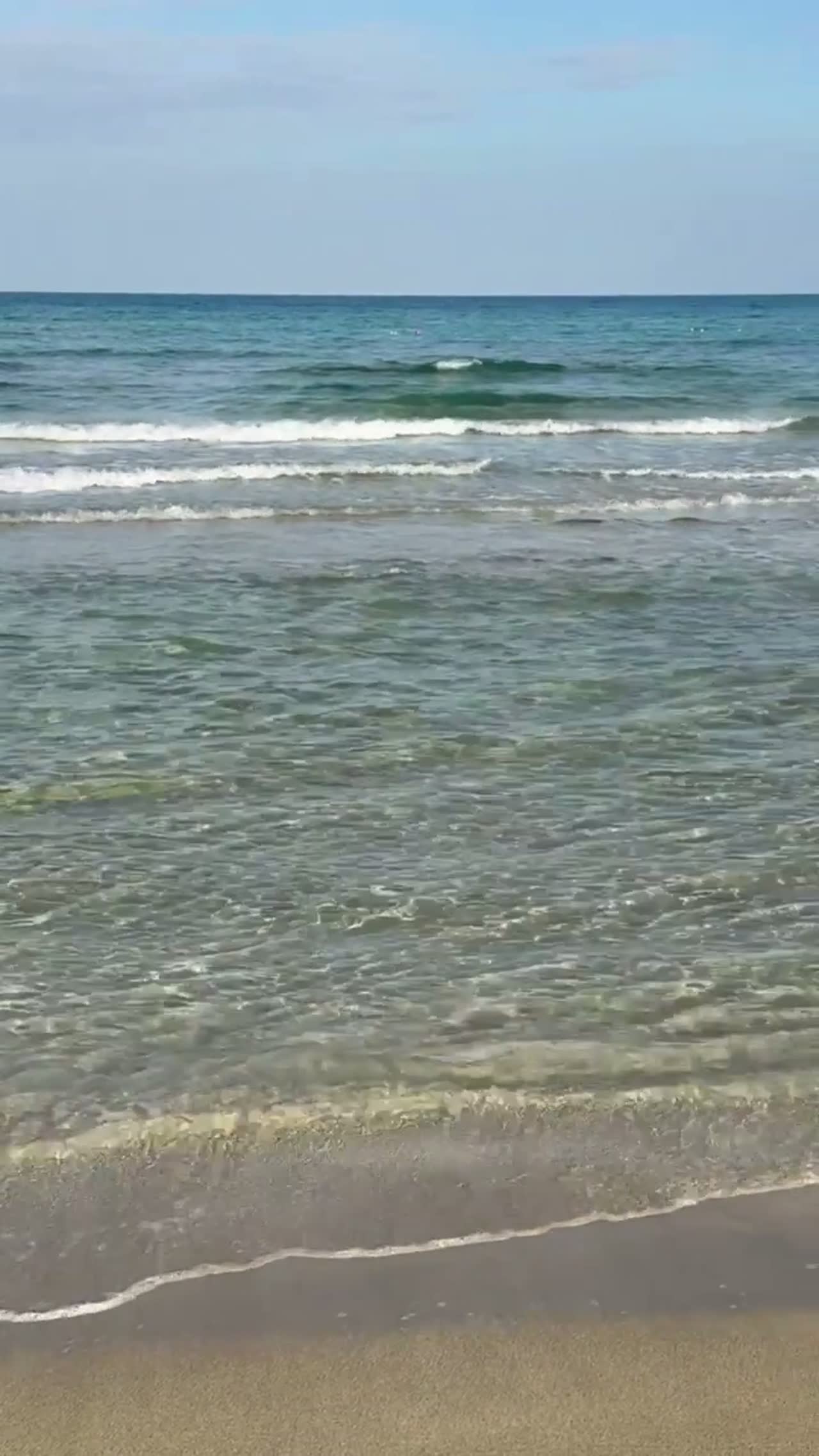
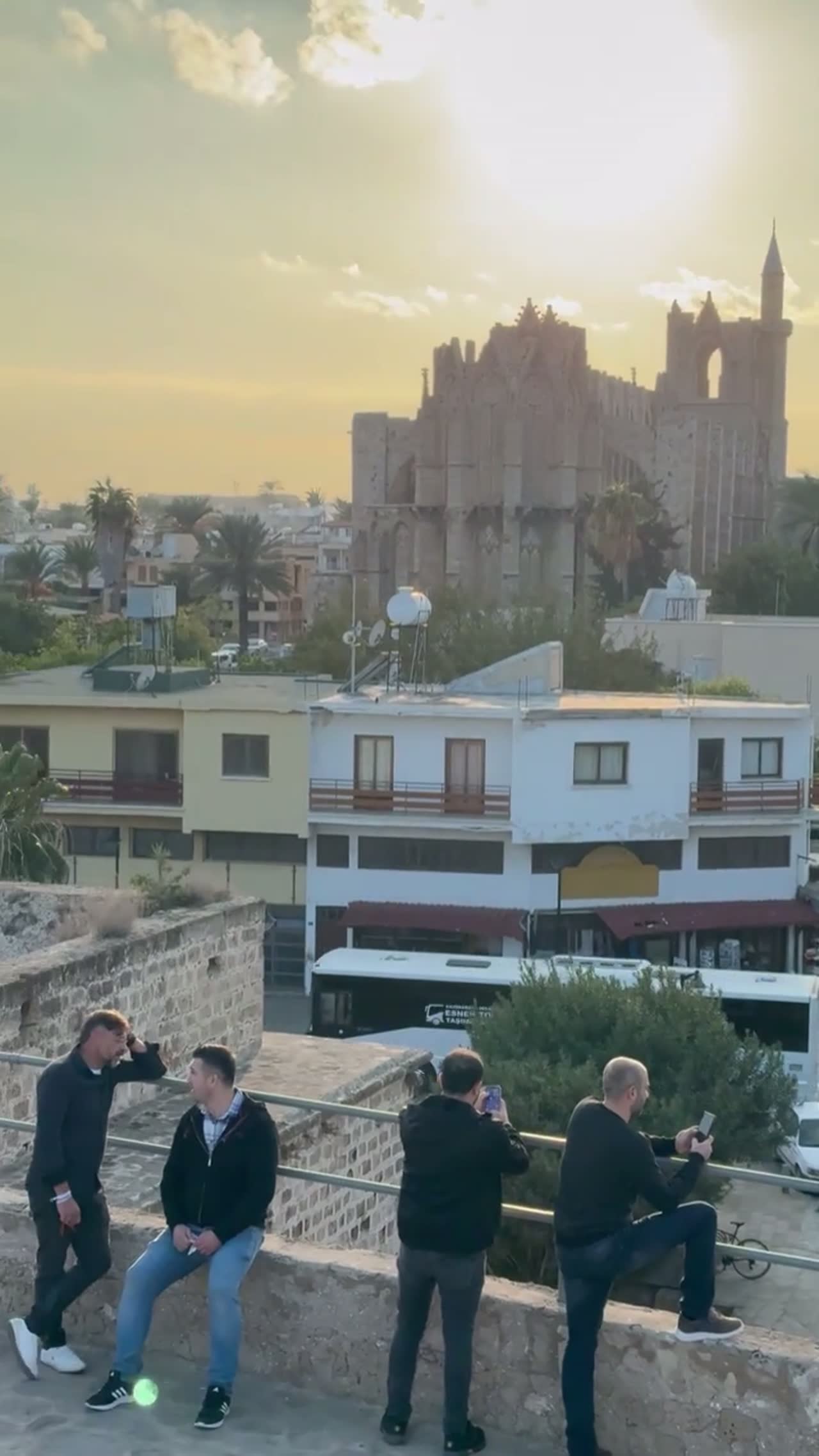
There are no crowds. Just a few onlookers, walking the perimeter, absorbing a place caught between presence and emptiness. The beach, still beautiful, remains untouched by tourism. The sea goes on as if nothing ever happened. Varosha gives the impression not of destruction, but of something paused mid-transition — a suburb not erased, but suspended. In its silence, you sense not just the sadness of displacement but also a flicker of hope, as if history has left the script unfinished, waiting for someone bold enough to rewrite its destiny.
The pause feels tangible but not permanent. The silence carries a different weight now, not just of memory, but of potential. Fences are shifting and locks are being changed. Legal frameworks that were once settled are under review. This is not Pripyat —transformation is happening slowly. And when the time comes, the shift may be quiet, or sudden.
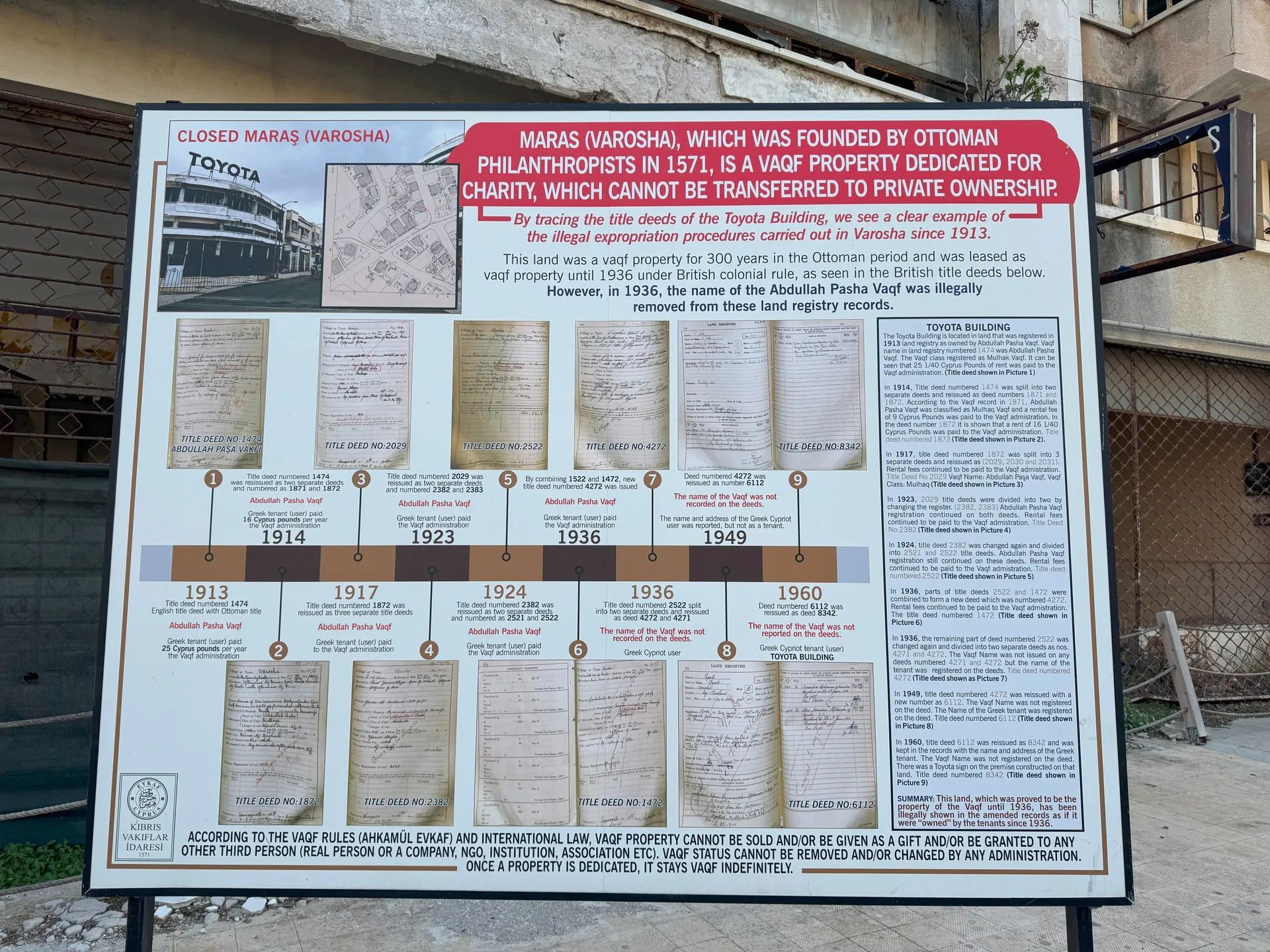
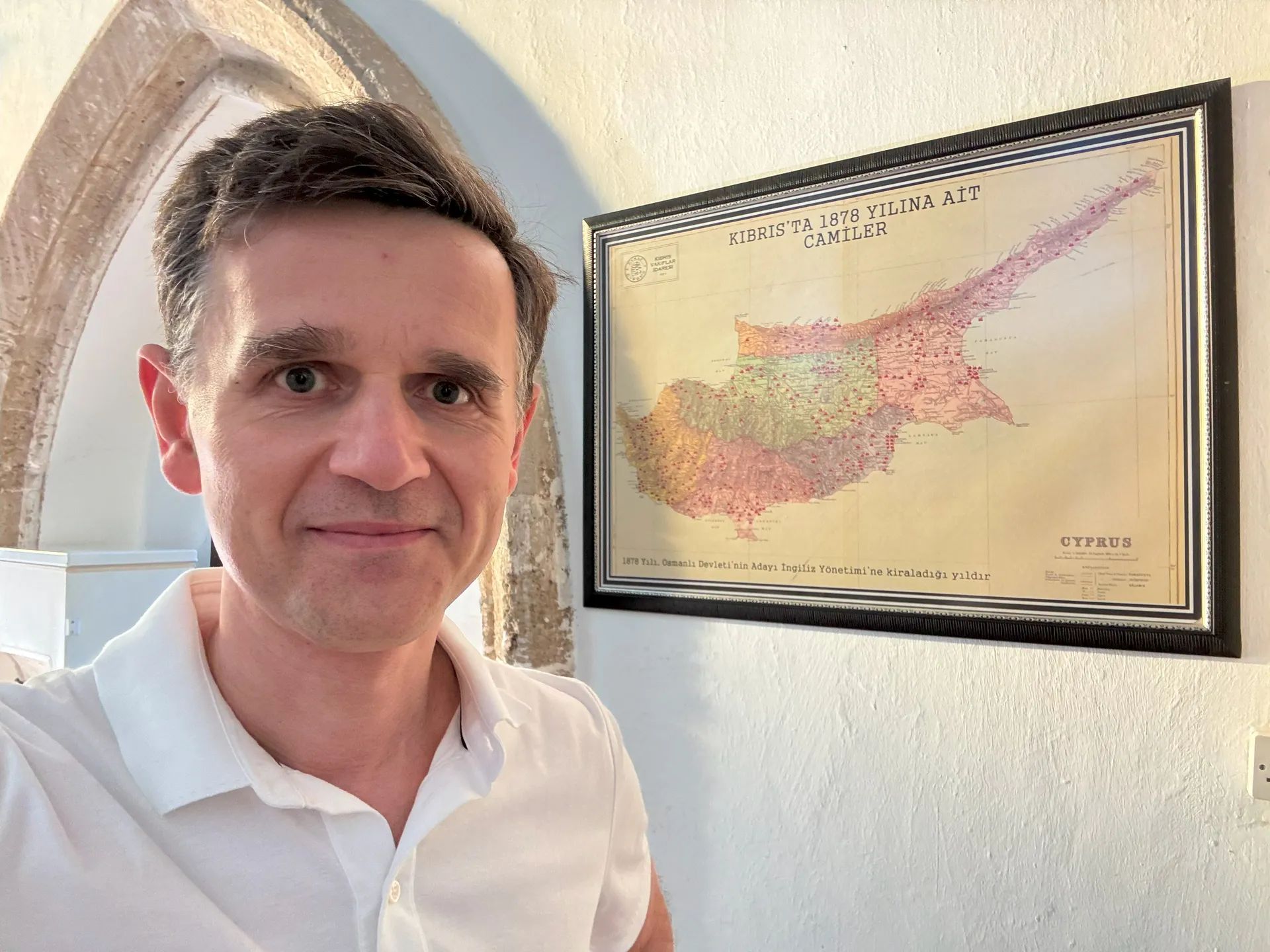
Varosha is not just a memory of 1974. It’s a mirror to older stories of possession, loss, and layered authority. From Ottoman legal traditions like the vakif, to British property records and post-independence disputes, the idea of ownership here is not only political, but historical. What does it mean to reclaim land? How far back does restitution reach? And who gets to say what “home” means, when the map has been drawn and redrawn so many times?
The answers aren’t obvious. But in this suspended state — between past and possibility — the landscape hints that the story is not finished.