Paradoxically, even with those systemic strengths, football is the area where Slovenia doesn’t punch above its weight as spectacularly as in other sports. The issue isn’t effort. Football is a different game—on and off the pitch. It is not only about talent; it is about scale, capital, and exposure.
First: Small Market, Narrow Base, Shallow Ecosystem
Football is a numbers game — eventually the statistics catch up with the romance.
For years, models of national-team performance have converged on the same variables: population, GDP per capita, football culture, and league structure. Slovenia has two of the four—culture and structure—but lacks the other two at scale.
With two million people, you cannot build a broad, stable, repeatable pipeline for every position. You can produce great goalkeepers — and Slovenia does — but you cannot keep a steady reserve of top-class left-footed center-backs, wingers, and holding midfielders across every age group.
This is not only about raw numbers; it is about depth. With roughly 60,000 registered players, the domestic market is too shallow to sustain the internal competition that drives pressure and quality.
Hence Slovenia’s “ceiling model”: there are outstanding individuals — Oblak, Iličić, Šeško — but a lower average team level, because there isn’t enough critical mass to sustain internal talent churn.
That isn’t a flaw in the system; it is its limit. In football, scale and demographics are like gravity in physics—you can understand them, but you can’t cheat them.
Second: the economics of soccer and the race for capital
Soccer is no longer just a sport—it is a global market with its own economy. In 2023, Europe's five biggest leagues generated €26.8 billion in revenue.
This is not just a figure in a UEFA report—it is everyday reality: larger coaching staffs, real-time analytics, regeneration centers, biomechanical technologies, and rivals who play at a pace that smaller leagues simply do not experience.
Even the best-organized club in Slovenia cannot replicate all these conditions for development. That is why locally trained players who make it to the Premier League or the Bundesliga have to overcome not only a barrier of quality, but also one of acceleration.
What can be made up for with passion and engineering in Planica requires billions in football.
And no small country, even the most competent one, is able to deliver this on a consistent basis.
Third: Limited Club Exposure
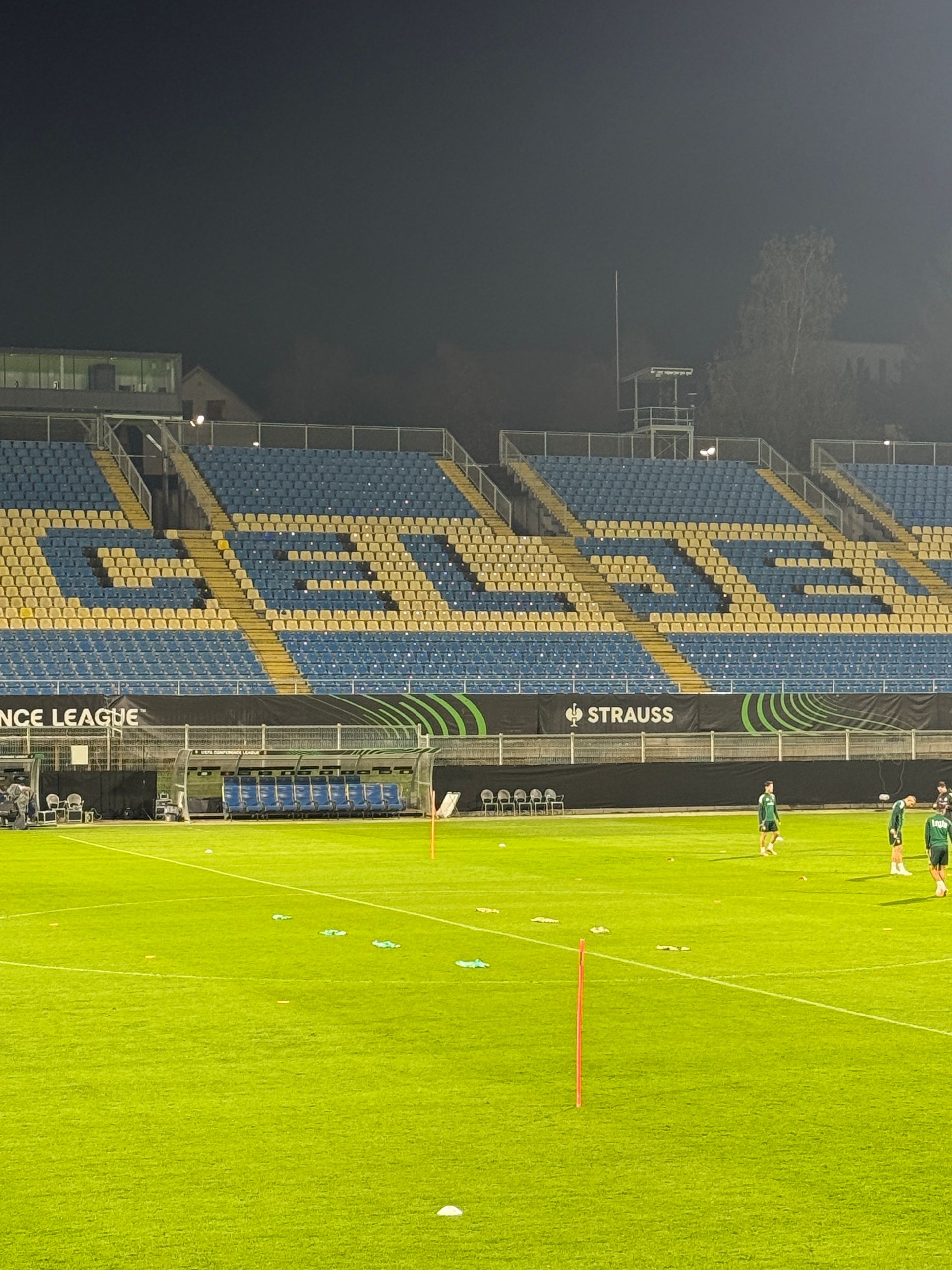
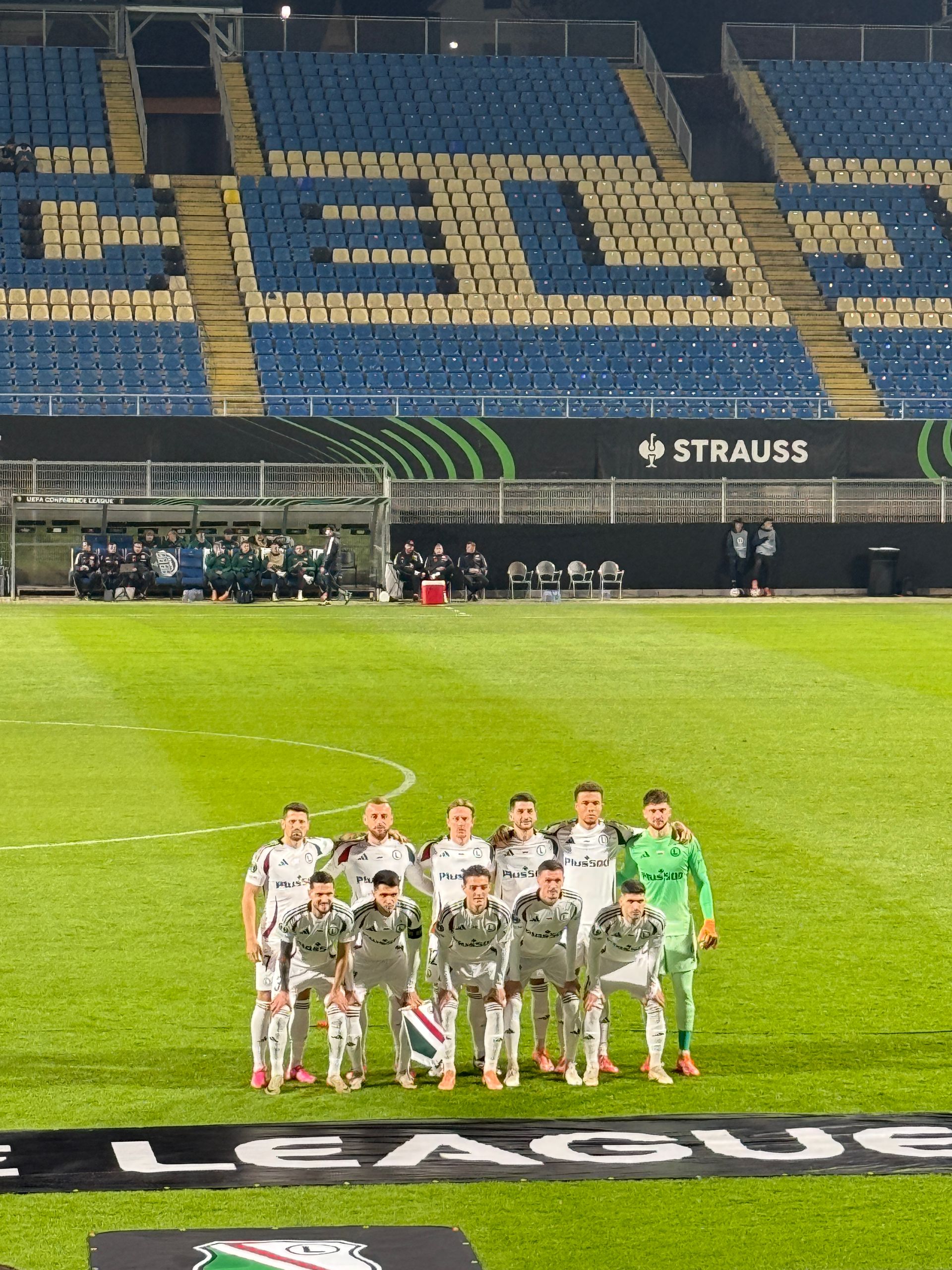
In football, you grow by playing better opponents. Despite bright spots such as NK Celje in the Europa Conference League, Slovenian clubs remain outside the elite. In UEFA’s association rankings, Slovenia sits around 28th—too far from the top to face English, Italian, or German sides regularly.
The absence of such fixtures means more than fewer minutes. It means fewer reference points, fewer tactical and physical stimuli, and less knowledge transfer from the top shelf.
A player who spends weeks in a lower-intensity league develops more slowly—even if his talent is greater.
That is why Slovenia, despite strong academies and a steady export of individuals, struggles to sustain the systemic quality of the world’s best teams. In highly specialized sports like ski jumping or cycling, small scale can be an advantage. In football, it is a constraint.
Where precision, training environments, and work culture decide outcomes, small countries can compress the gap. Where the game is dictated by population, capital, and infrastructure, the law of large numbers is unforgiving.