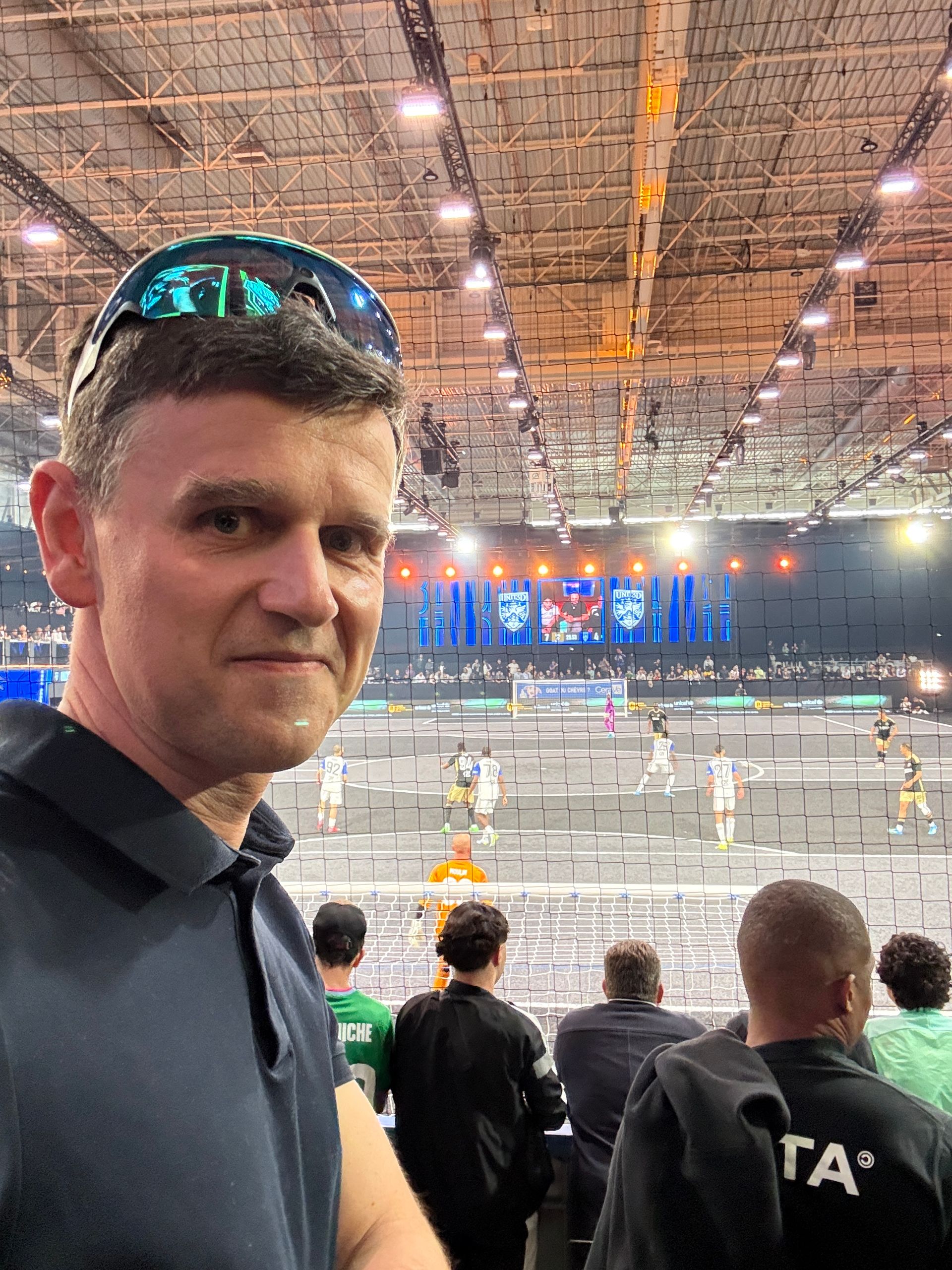
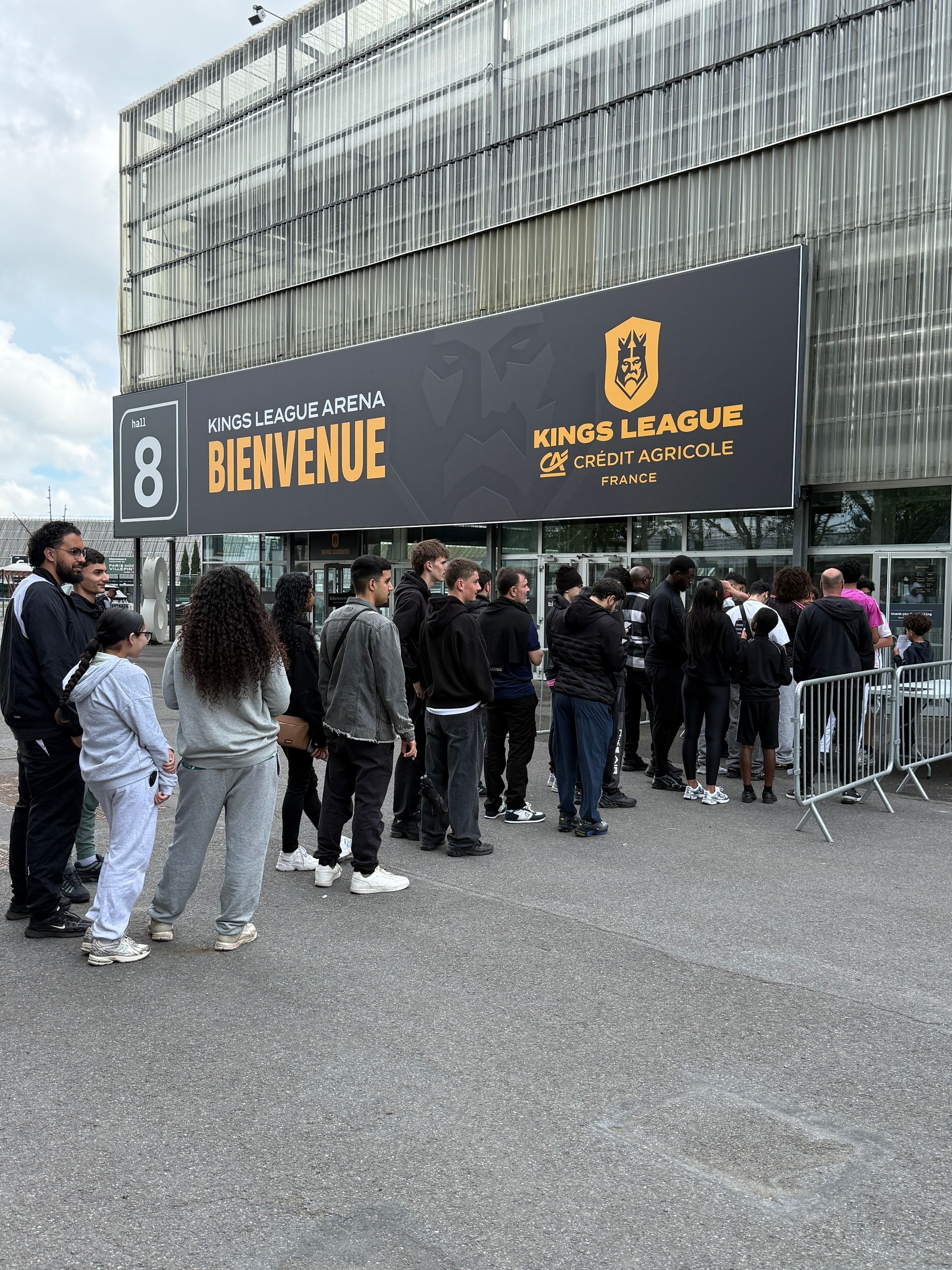
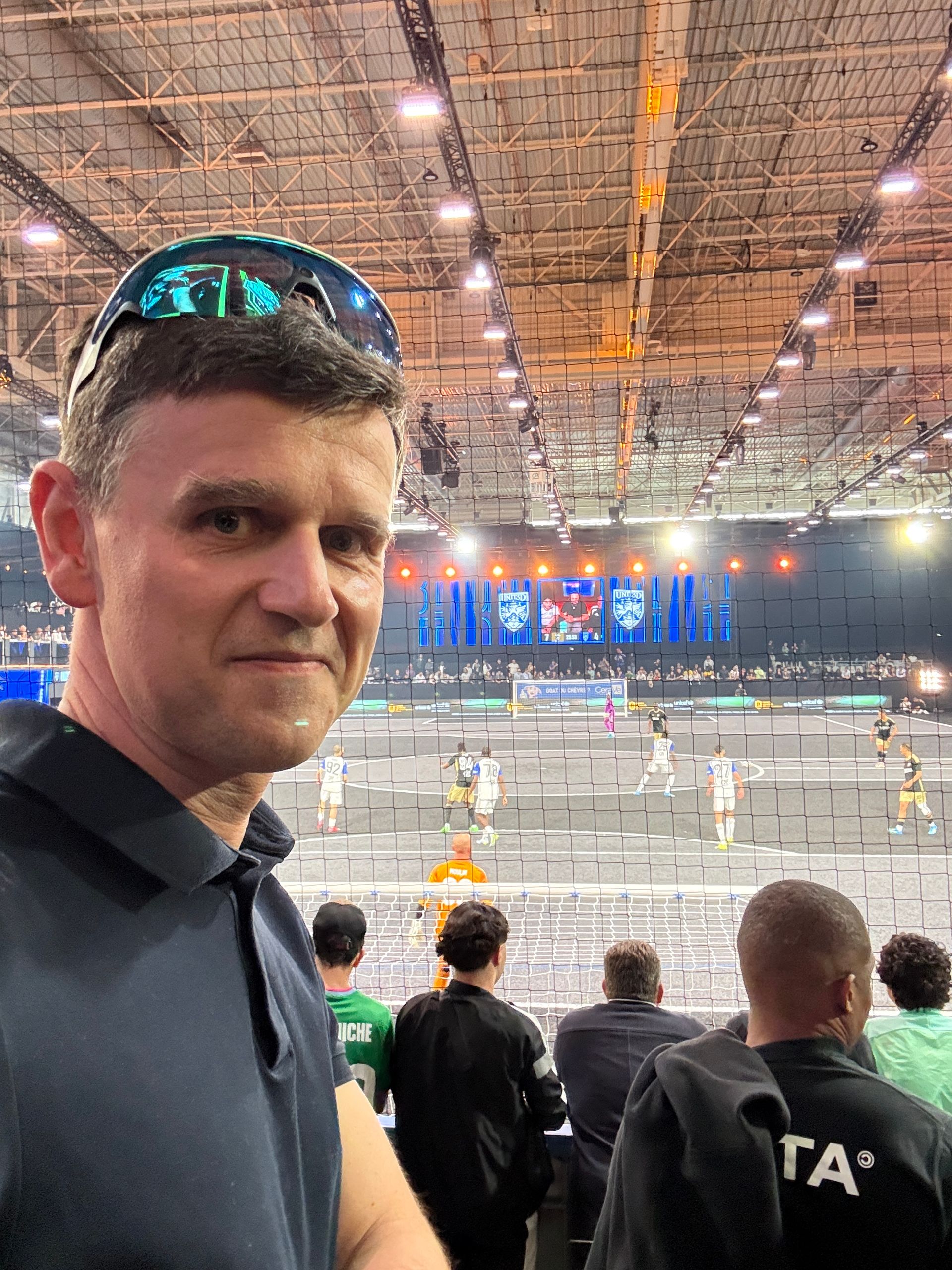
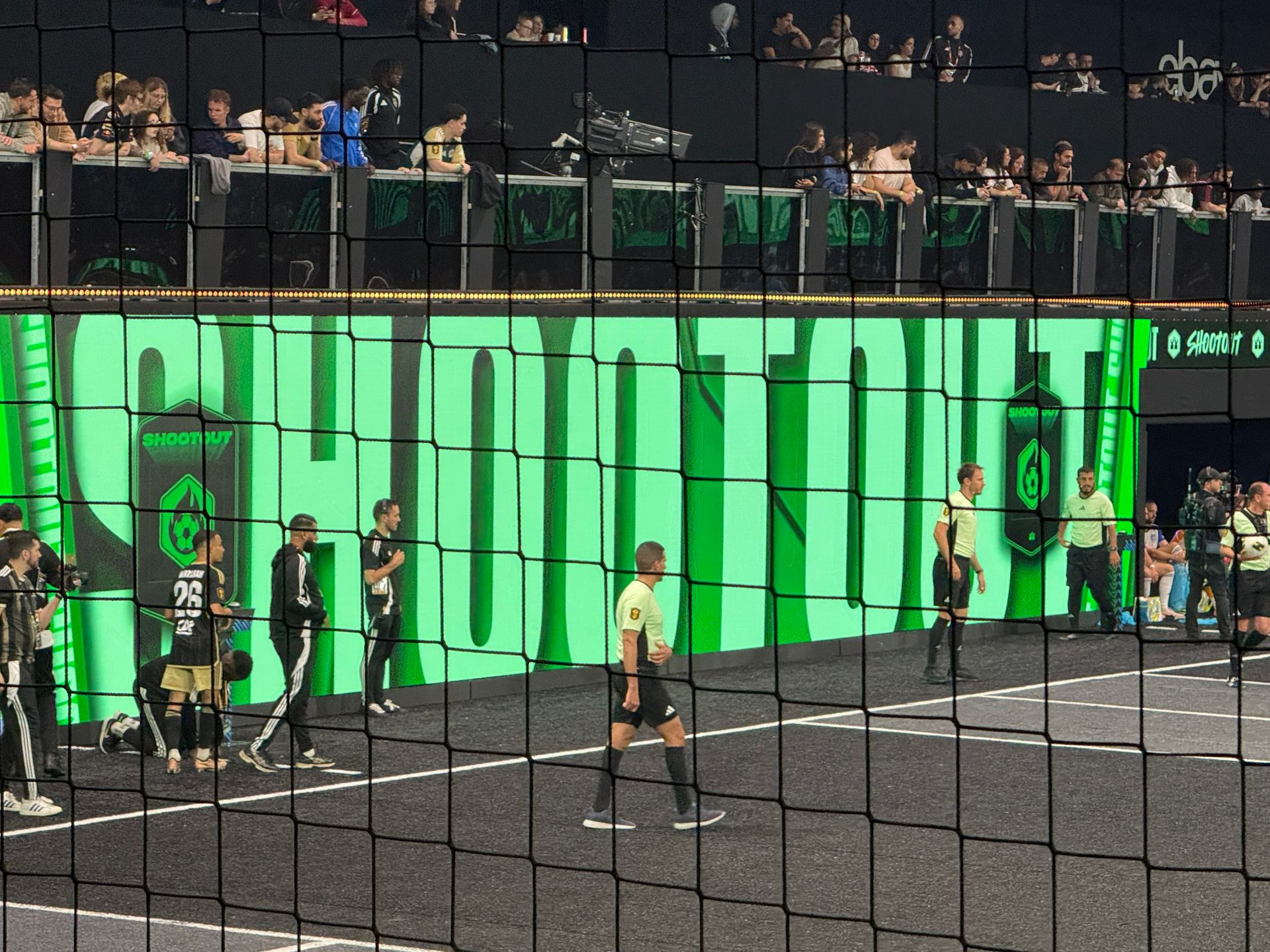
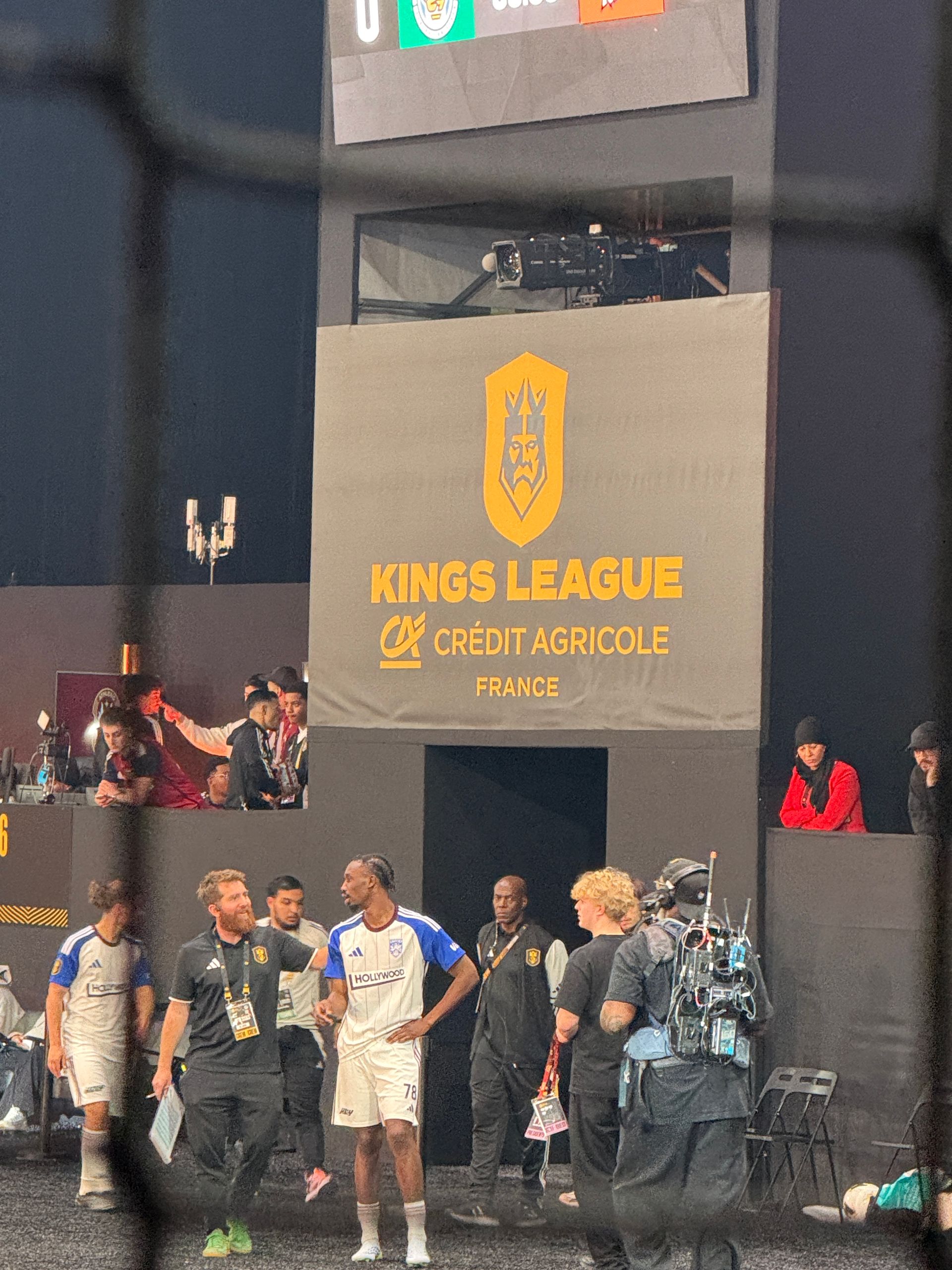
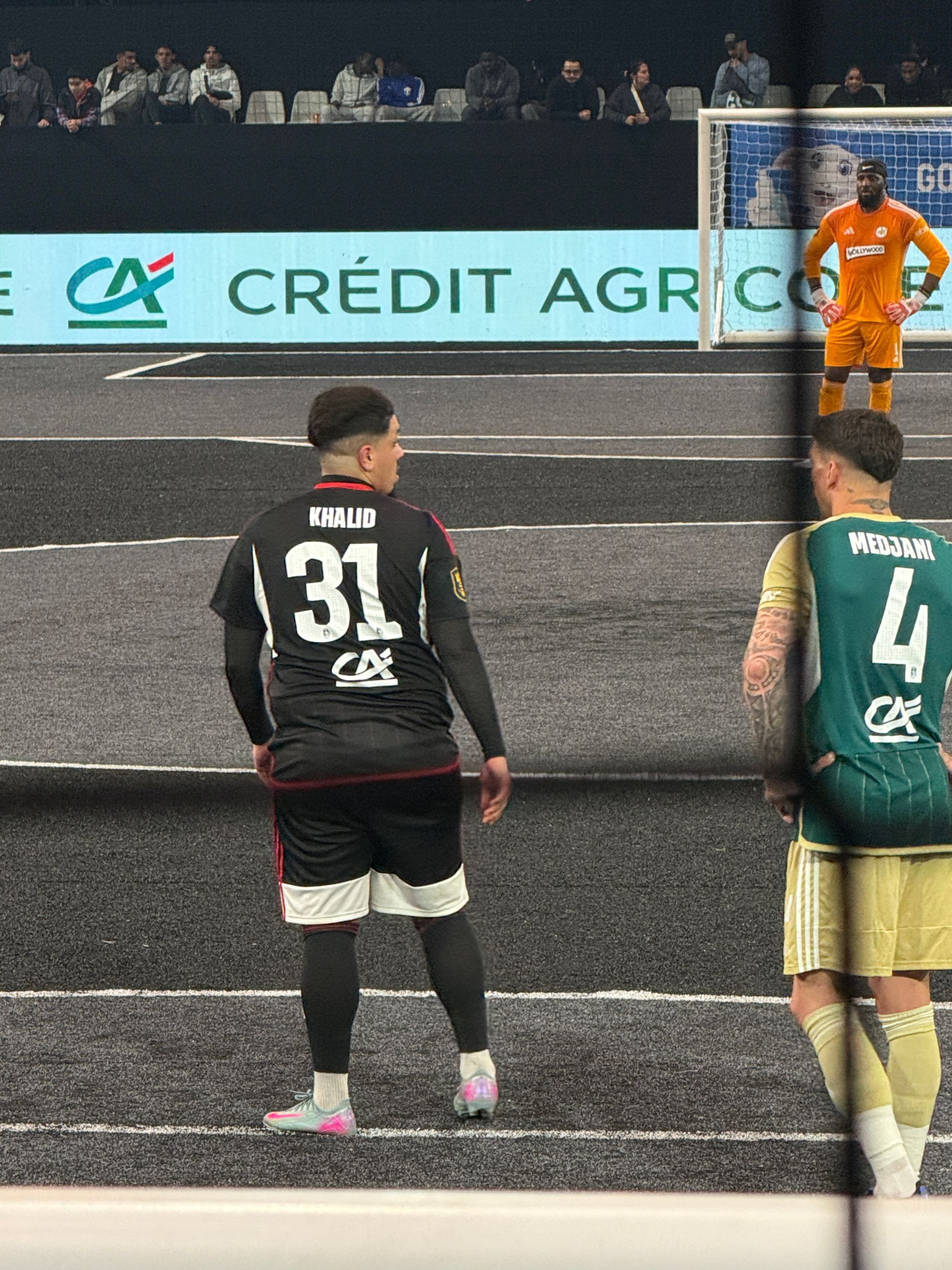
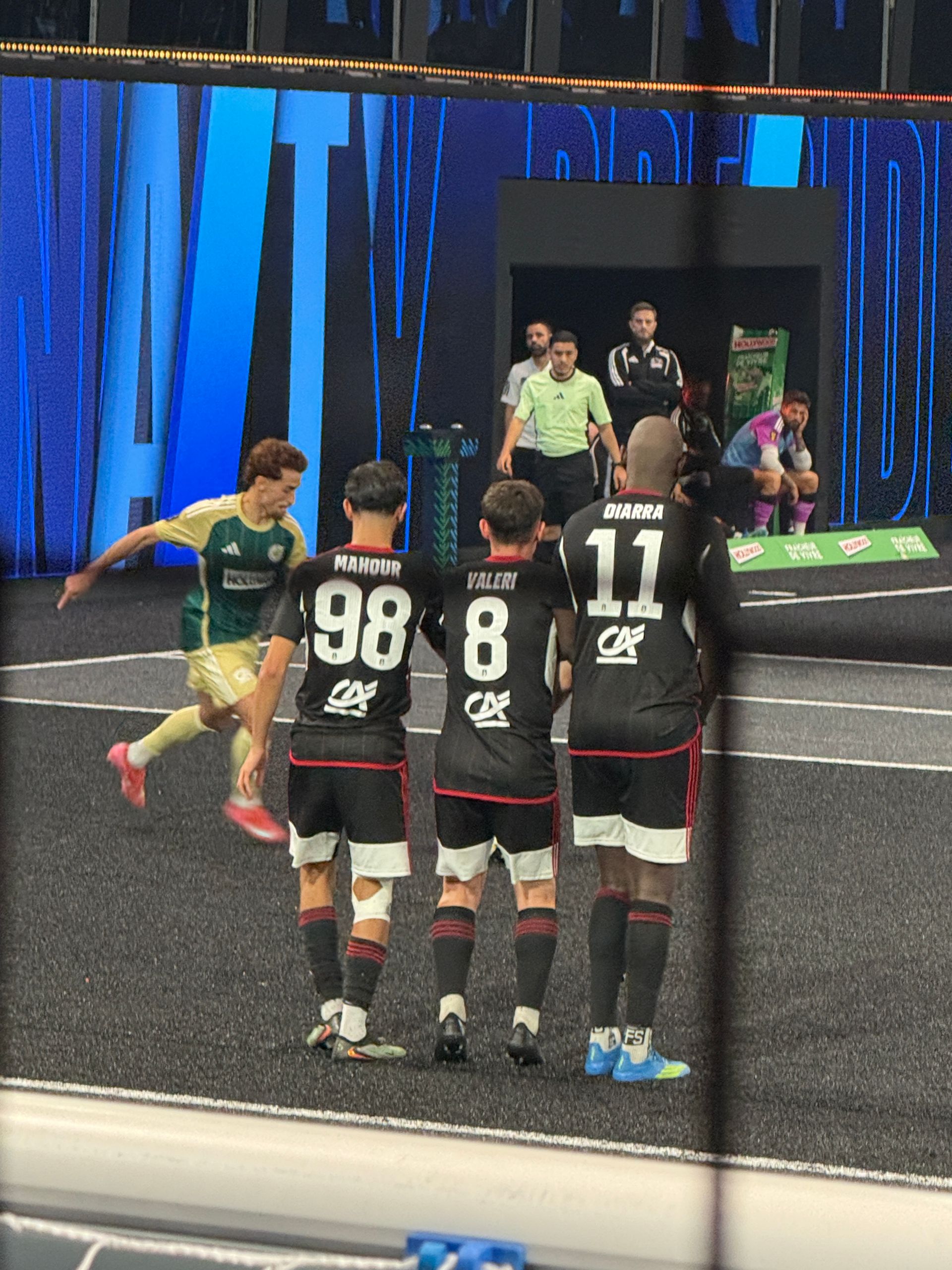
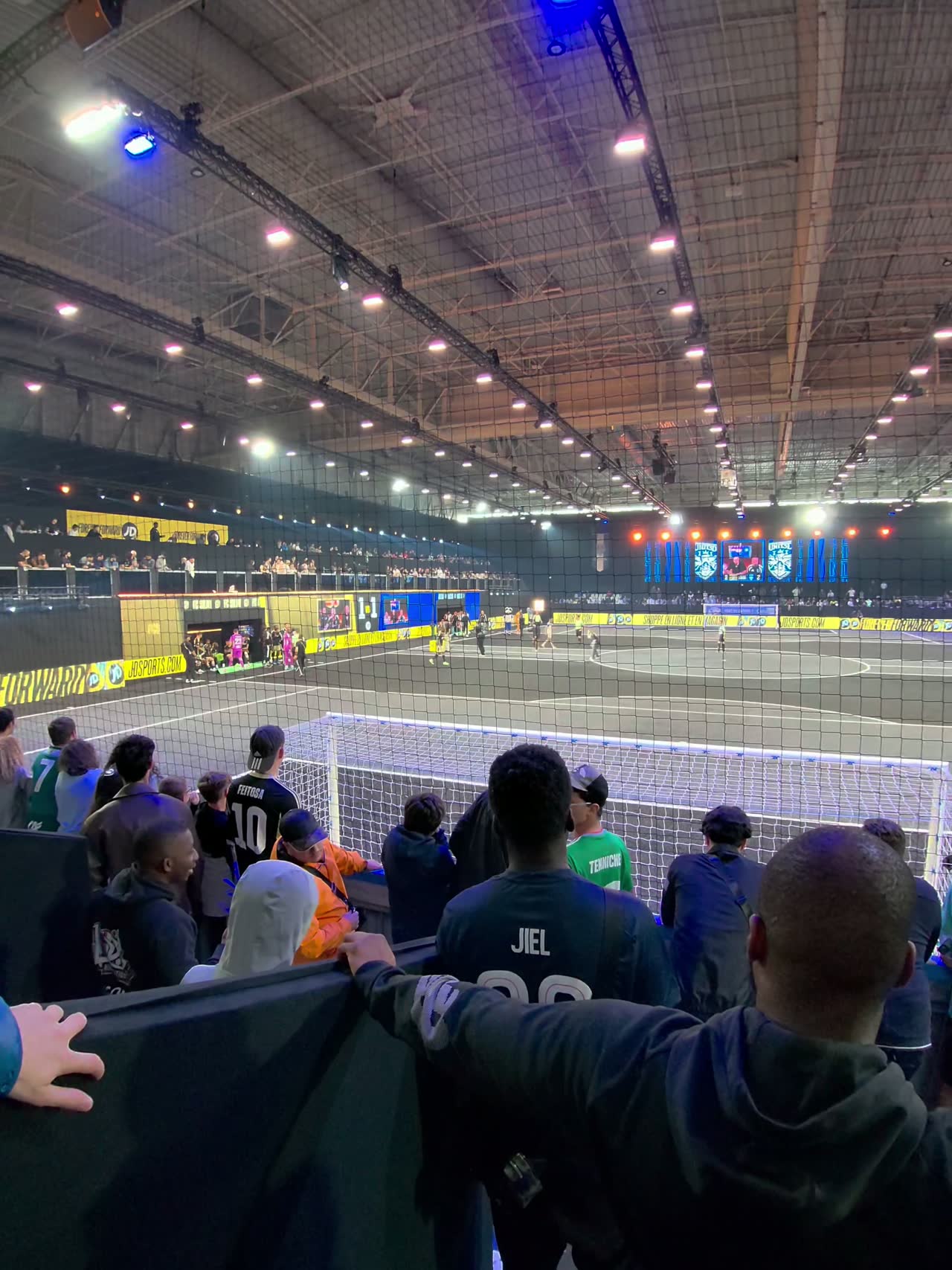
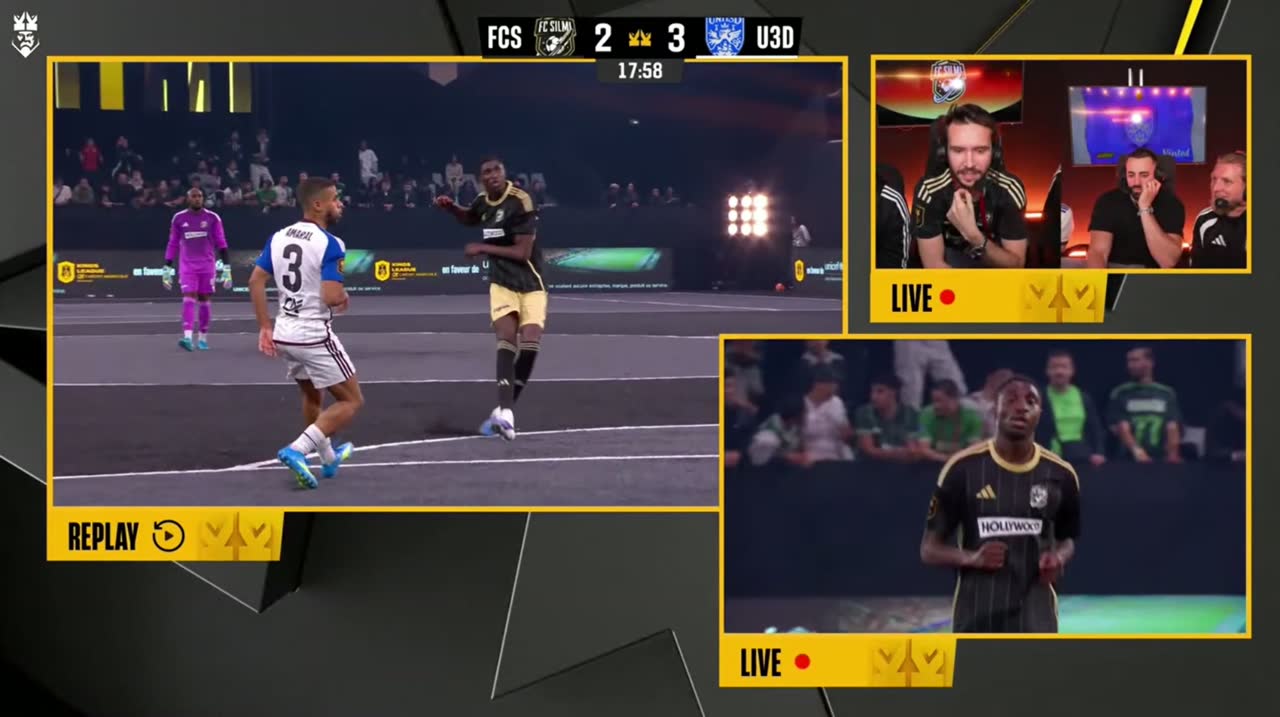
The obvious assumption would be that the hardest part for a royal league is the launch itself — winning the first fans, getting past public scepticism, surviving the head-to-head against traditional football. In fact, the most stressful stretch is right now. Piqué is racing to build out a team that can both take new markets and defend his own brand against fast followers like Germany's Baller and Icon League, or Poland's Alfa Football. A few of the milestones from the past year that matter most:
· In May 2025, the Kings League officially entered the Middle East and North Africa through a joint venture with SURJ Sports Investment, a subsidiary of Saudi Arabia's Public Investment Fund (PIF). Kings League MENA, based in Saudi Arabia, is the seventh league in the portfolio; its inaugural edition, Kings Cup MENA, ran as part of the Riyadh Season festival.
· For the 2025/26 cycle, the Kings World Cup Nations expanded from 16 to 20 teams, with India and Indonesia joining Poland as newcomers.
· Another cup format was added after the Queens Cup — and, in hindsight, an obvious one: a national-champions showdown between the winners of Kings Cup Spain, Kings Cup Italy and Kings Cup Germany in a three-way tournament. Another startup-style iteration: a new layer of competition between countries, with no external federation's approval required.
· CEO Djamel Agaoua has told Reuters and Sportcal that a U.S. league is on the roadmap for 2026, making it the next major expansion priority. The American streaming market runs to roughly 100 million people. The Kings League estimates entry costs at over €7 million, and is openly considering extending the model beyond football into basketball, tennis and combat sports.
· In February 2026, the Kings League announced a $63 million fundraising round led by Alignment Growth — a U.S. media-and-entertainment specialist — with existing shareholders (Left Lane, Antifund, Bolt Ventures and Kosmos) rolling over. At the same time, Kevin Tsujihara, the former head of Warner Bros., joined the board — quietly moving the Kings League from the "sports" bucket into the "global media empire" one. Total funding since 2023 now tops $160 million, earmarked for the U.S. push and further international expansion.
· Piqué is no longer just building leagues; he is starting to behave like a corporate acquirer. Agaoua has spoken openly about M&A, including the possibility of buying Germany's Baller League on the way to becoming the "FIFA of streaming".
· The stated priority for the next few years is Asia, followed by the launch of 30–40 new leagues in 30–40 selected countries over four to five years, on a franchise basis.
The clock is ticking, and Piqué has to keep his hand on every lever. For everyone else watching, the next few years promise a compelling piece of sport-meets-business theatre. The competition isn't resting, and, sooner or later, traditional football will have to react. Given Tebas's temperament and the layered governance of the legacy leagues, deep change isn't coming tomorrow. But expect a flood — probably a glut — of Alfa Football- and Baller League-style ventures.
The decisive factor is that Kosmos owns the format, the rules and the distribution in a single entity, which gives it unusual freedom to shape strategy and plug in brand partners. From Elberse's vantage point, consolidating the IP in one place is the core source of competitive advantage, and what makes the league's cash flows predictable and modellable — something a fragmented ownership structure can't deliver.
Elberse's lens matters here for a specific reason. Her bestseller Blockbusters: Hit-Making, Risk-Taking, and the Big Business of Entertainment argues that in creative industries, the winning strategy is to concentrate resources on a handful of products with mass-market potential, rather than spreading them thinly across a wide portfolio. Viewed through that frame, the Kings League isn't simply a football league — it's a blockbuster-style experiment: one strong IP, one entity controlling the entire value chain, scaled into new markets by franchise. If the model holds — and so far the signs point that way — Kosmos won't need FIFA's or UEFA's permission any more than Netflix needed the television networks' to rewrite distribution.