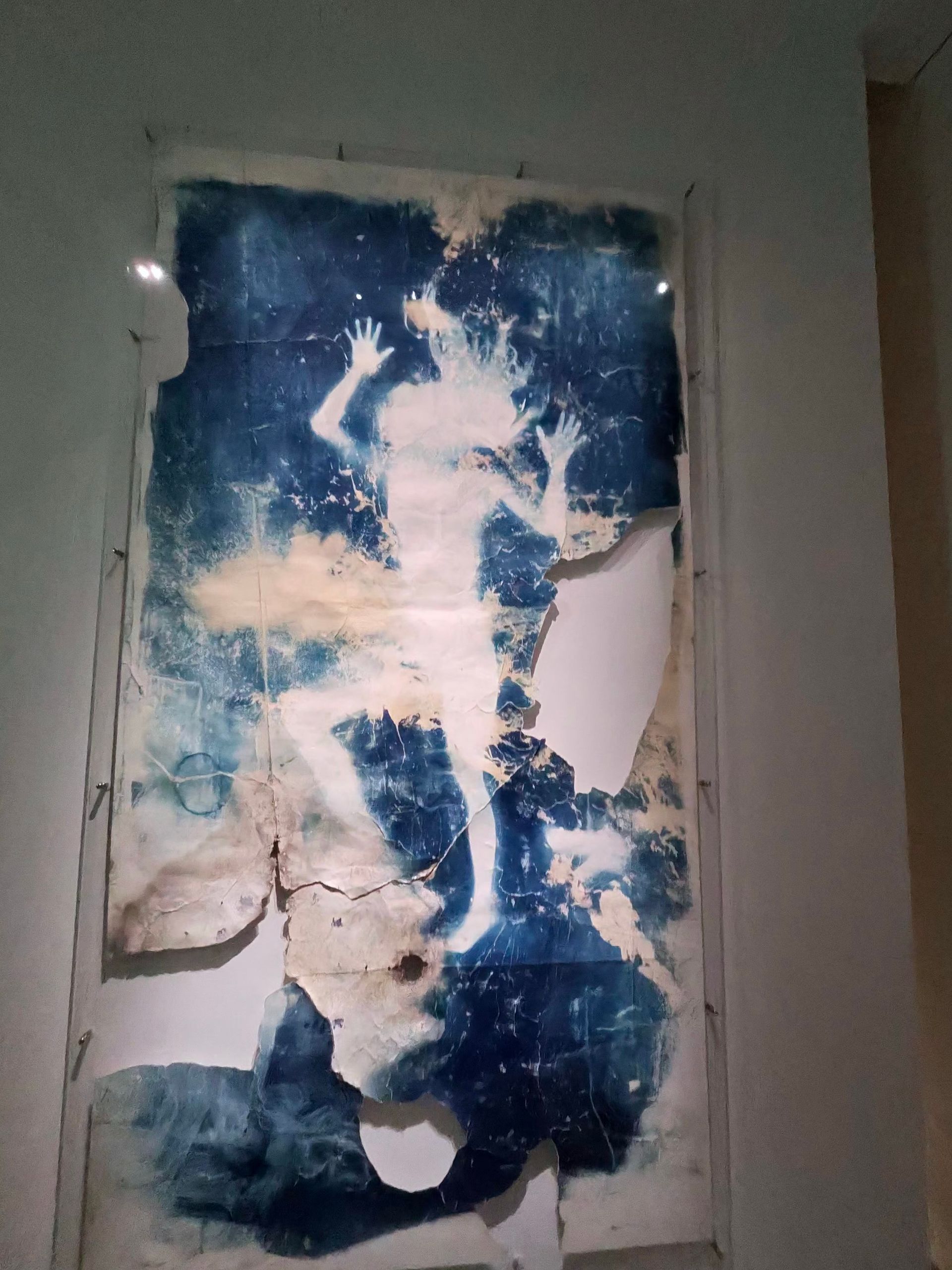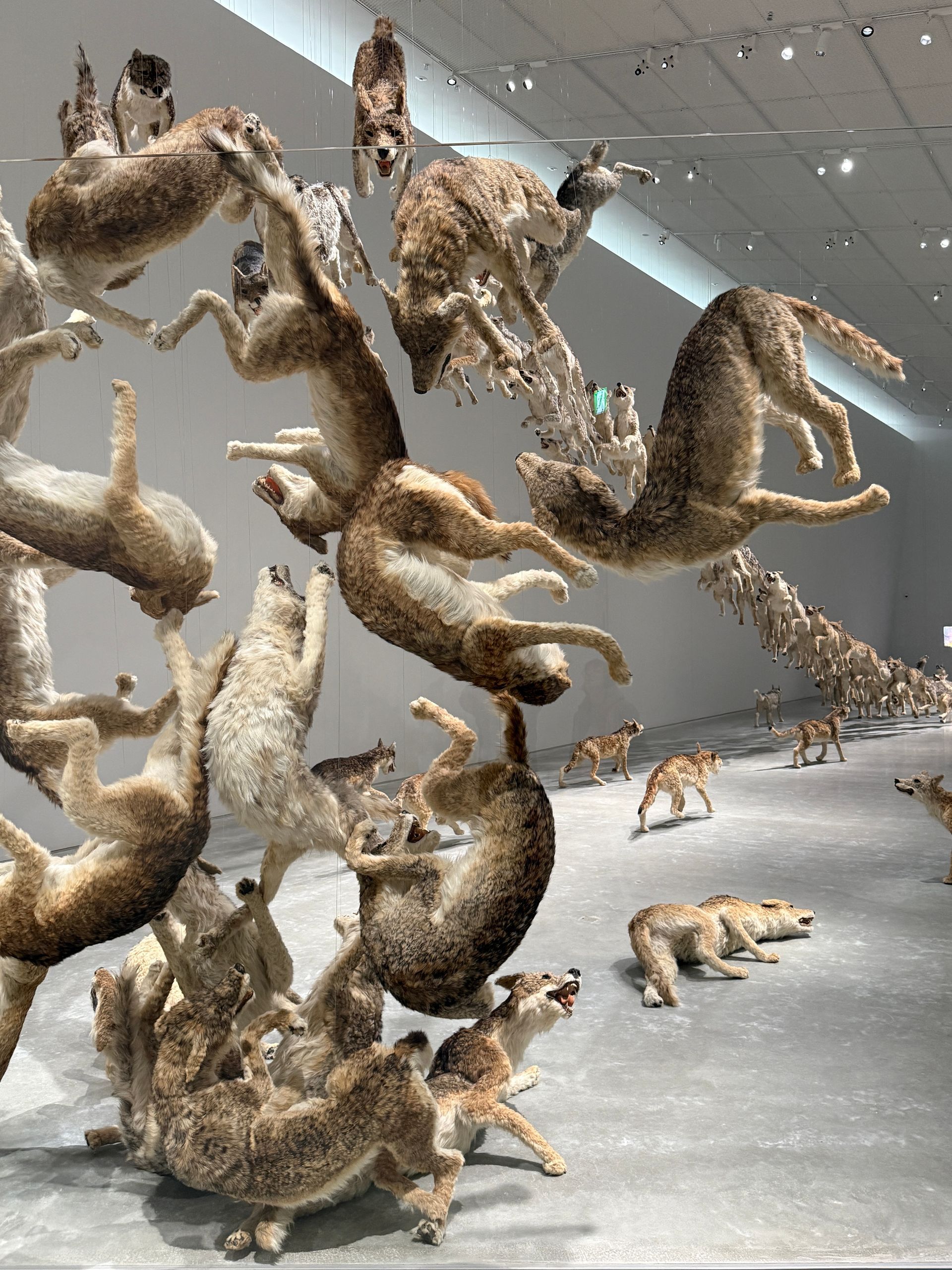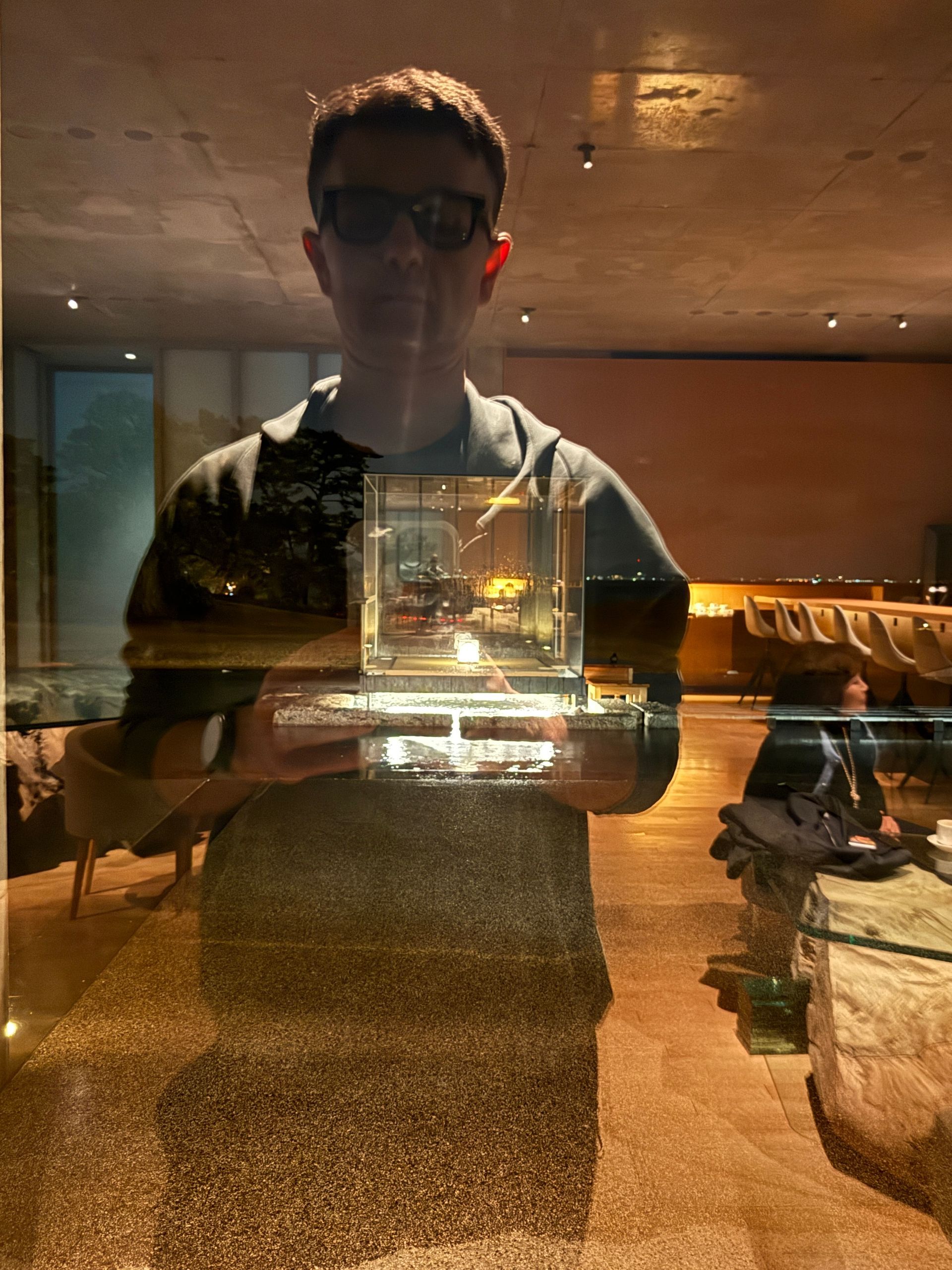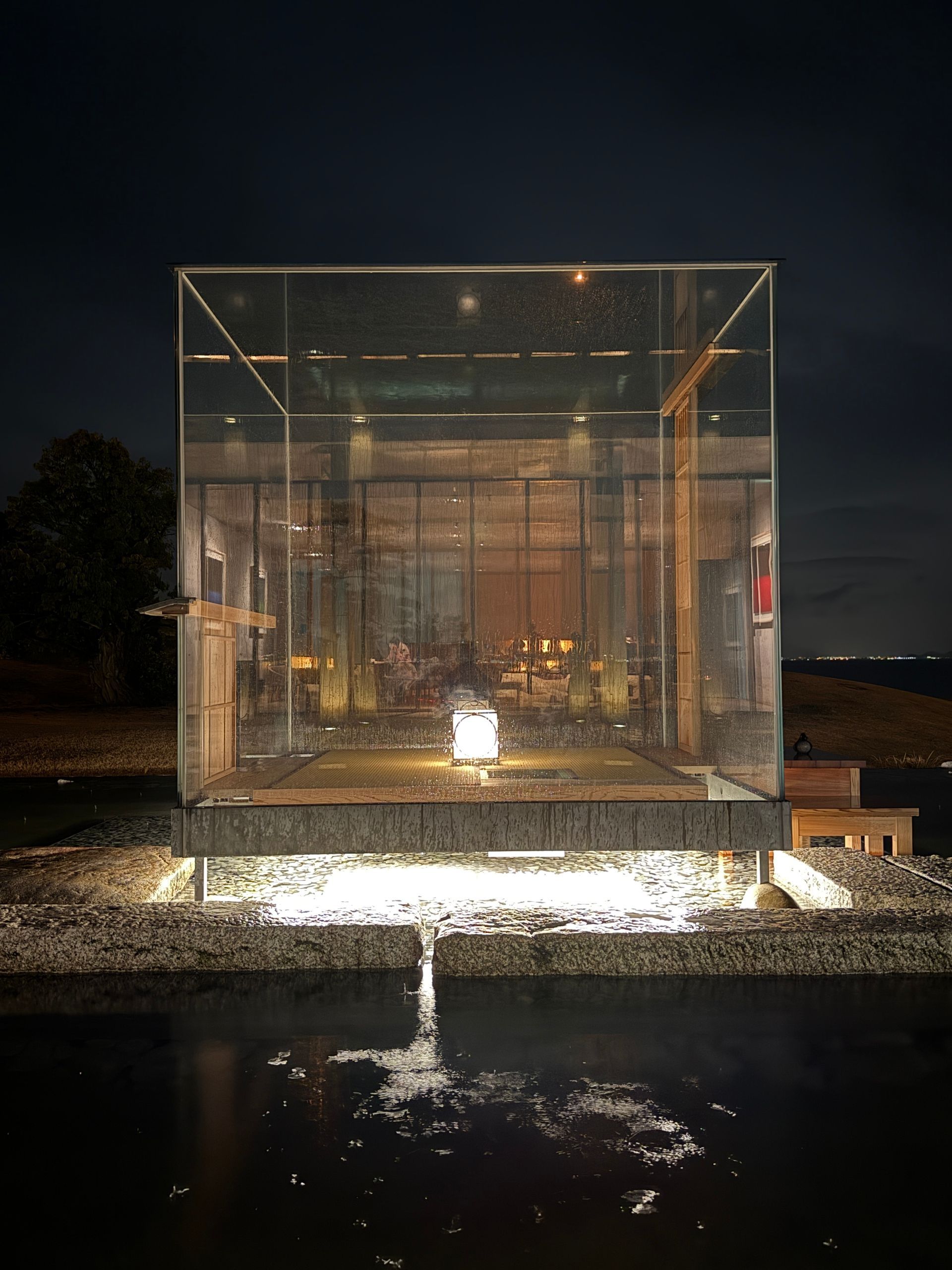
After ten minutes in absolute darkness, my brain begins to dissolve into the surroundings. I stop seeing objects and start becoming aware of the very act of seeing itself. I observe my own process of perception. At a certain moment - one I could probably have predicted almost precisely—my brain, cut off from stimuli, enters a state of sensory deprivation.
Deprived of external signals, it begins to generate sensory experiences on its own. Afterimages appear, lights, hallucinations. I couldn’t have known this is how I would experience it until it actually happened.
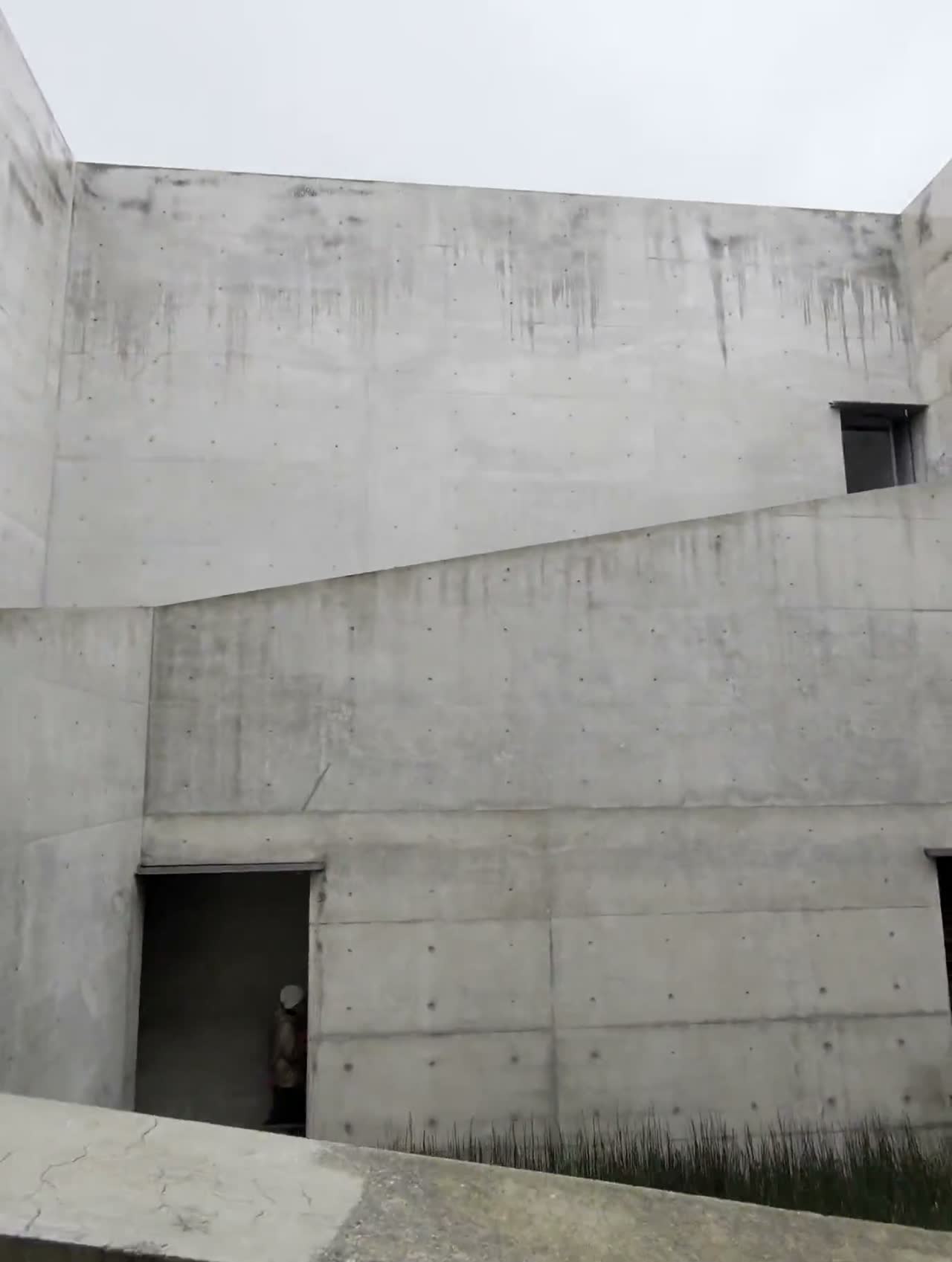
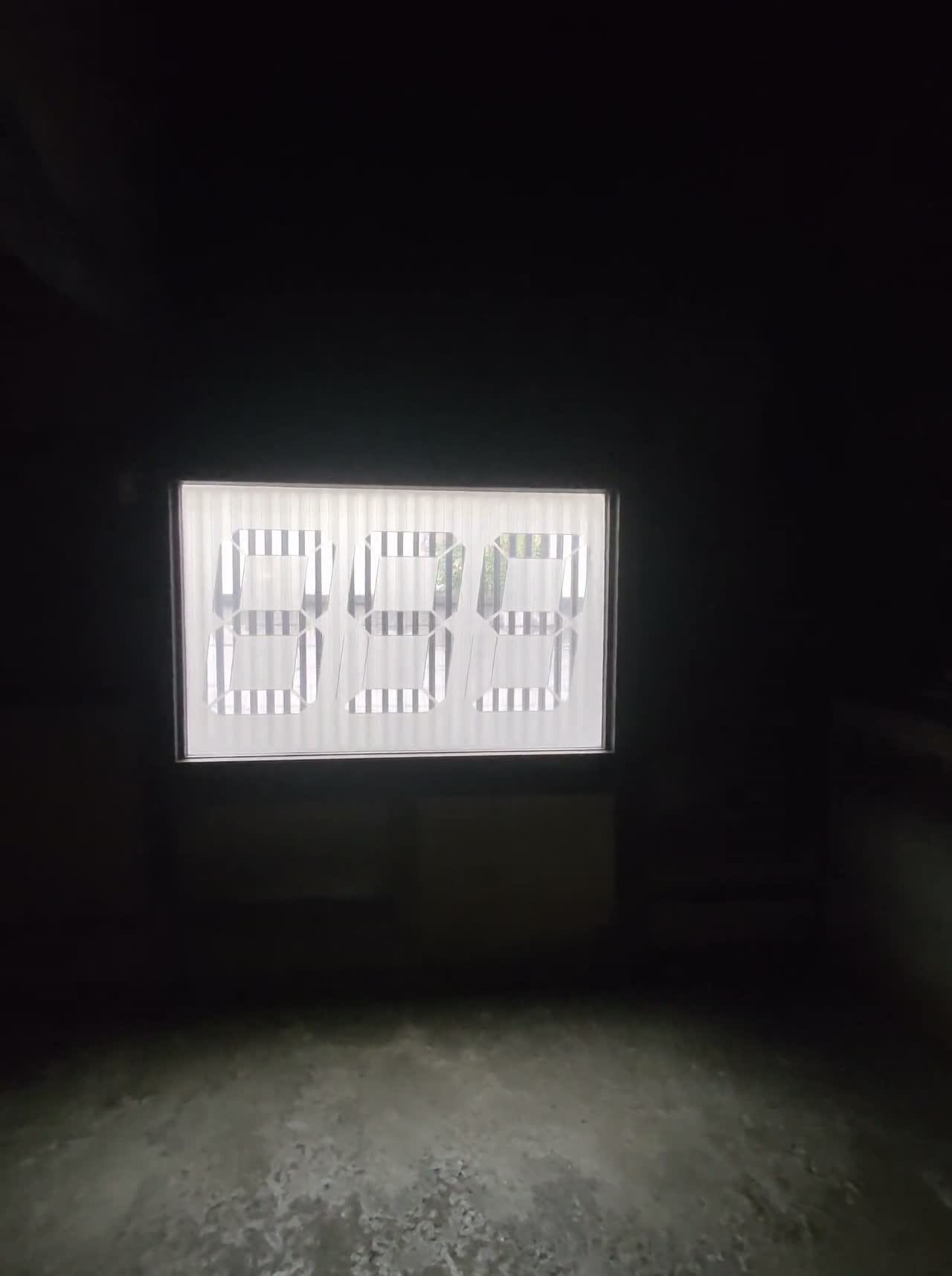
In the austere space, where every inch was designed by Tadao Ando to submit to the will of the artist, the unexpected light emerging from darkness acts like catharsis. I have just “seen” Backside of the Moon (1999) by James Turrell - an installation housed in Minamidera, a building designed by Ando in the former temple district of the village of Honmura on Naoshima Island.
The work exists only in the present moment - it cannot be captured by a camera or reproduced on a screen; everyone experiences it differently. Apparently, for some people, the darkness even evokes olfactory sensations. It’s impossible to take a photograph, but the sight—or perhaps the experience of seeing—will stay with me for a long time.
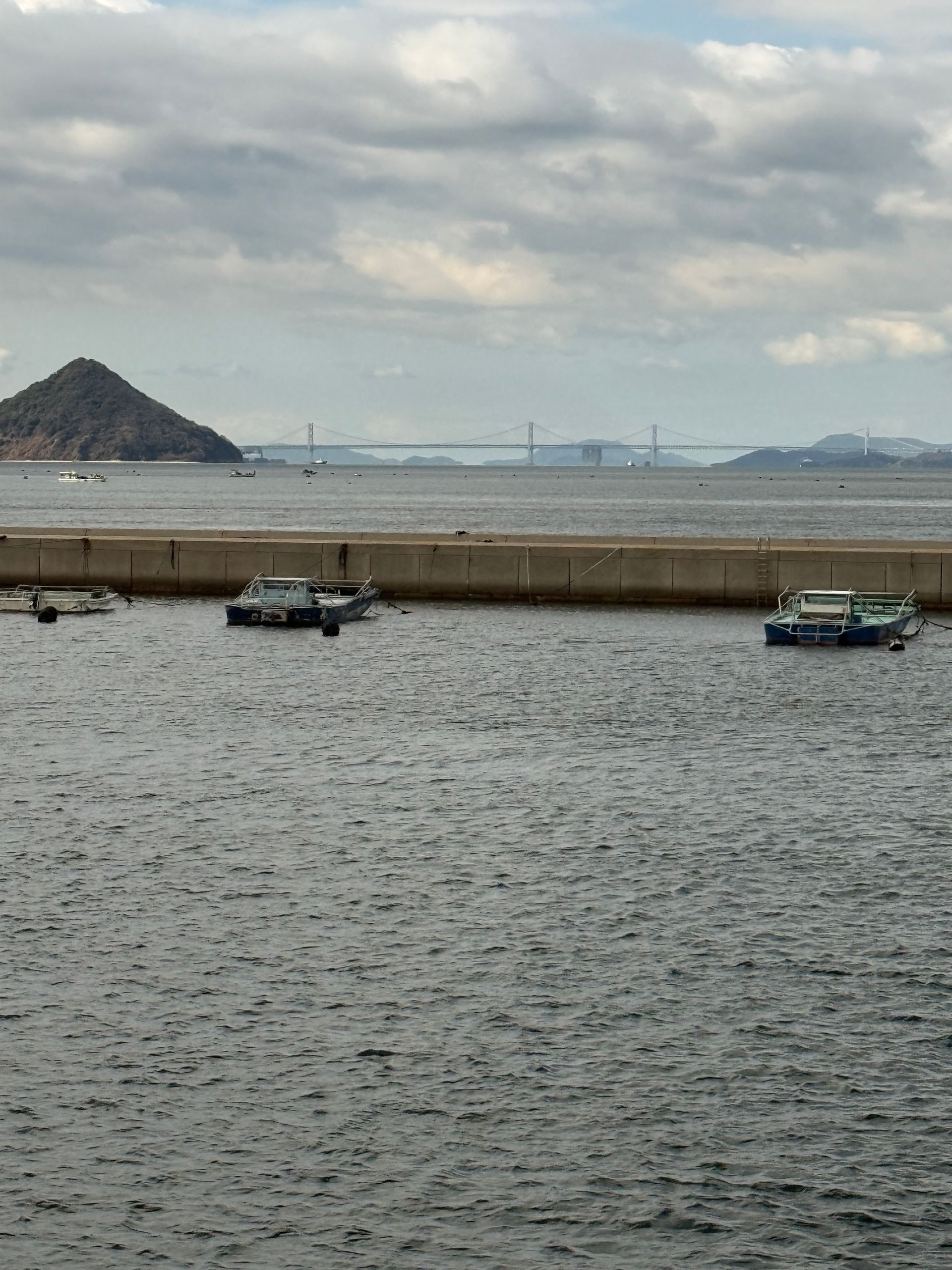
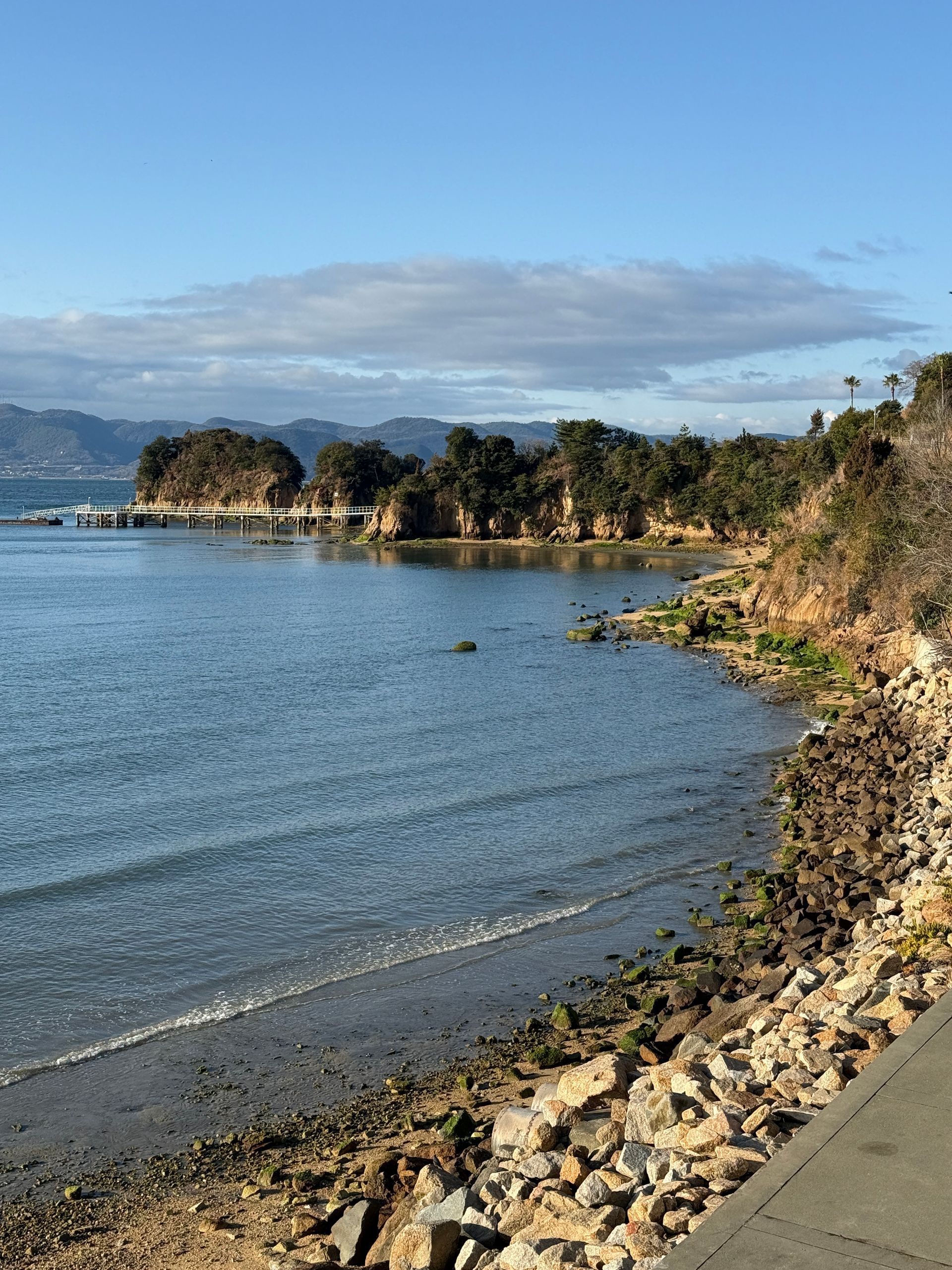
Just like the island itself: one of the most spectacular projects in the world of revitalizing declining spaces through culture and private capital.
And the most original artistic undertaking I have ever experienced.
.jpg&w=1200&q=75)