
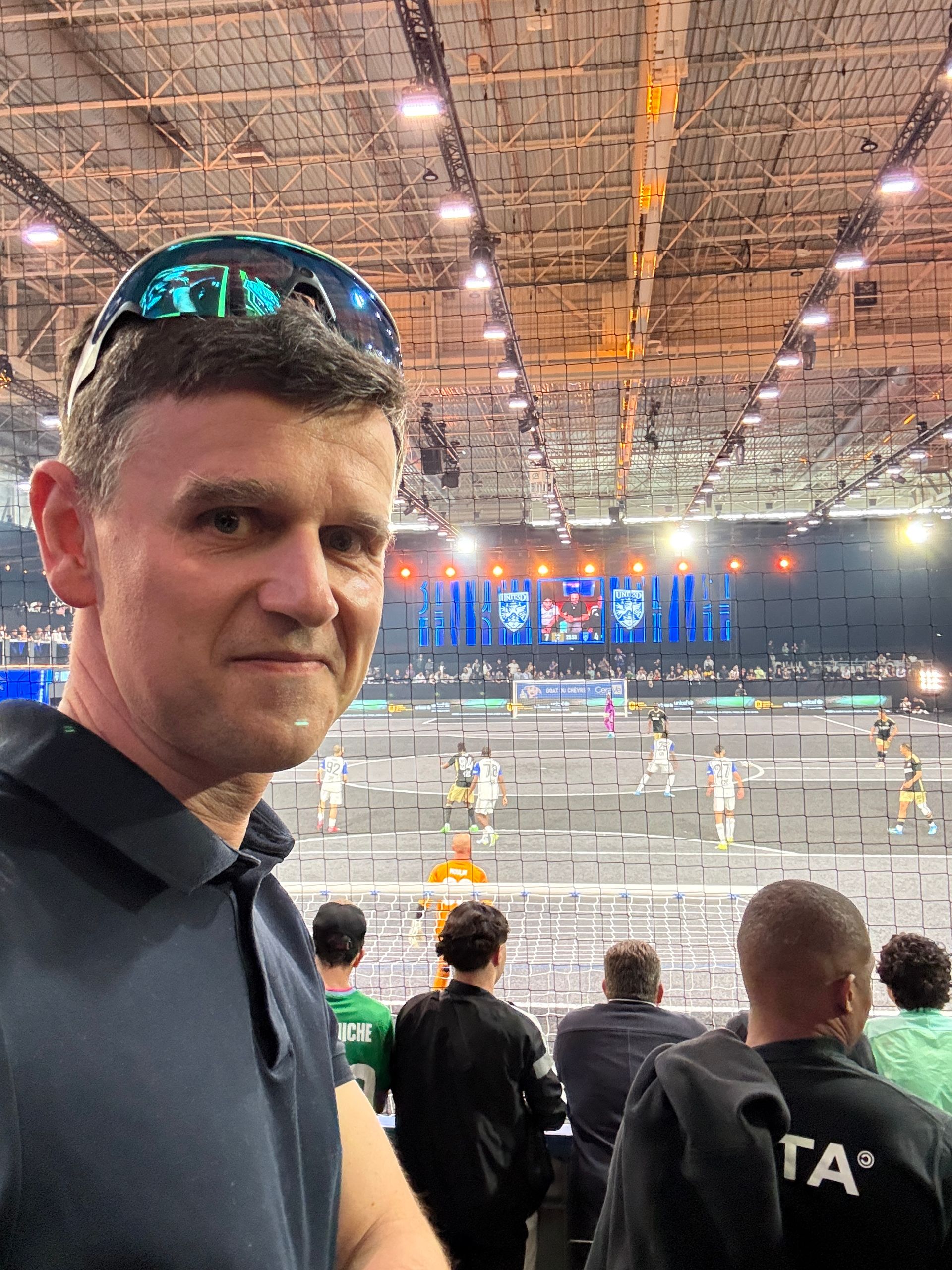
Until recently, I knew Gerard Piqué only from the pitch — a centre-back and long-time Barcelona captain, a man of clean tackles and 32 trophies. It took the Kings League to reveal his second, far less obvious CV: that of an investor and entrepreneur who has built something more disruptive to the sports industry than yet another club or fund — a new way of watching football. Seven players, forty minutes, rules that fans rewrite by online vote, and matches streamed free on Twitch and YouTube. It is classical football crossed with the aesthetics of a video game and the logic of social media. You can laugh at it, dismiss it, call it a "circus" — it still overtook the NFL and NBA in social-media engagement. Football, whether it likes it or not, will have to respond.
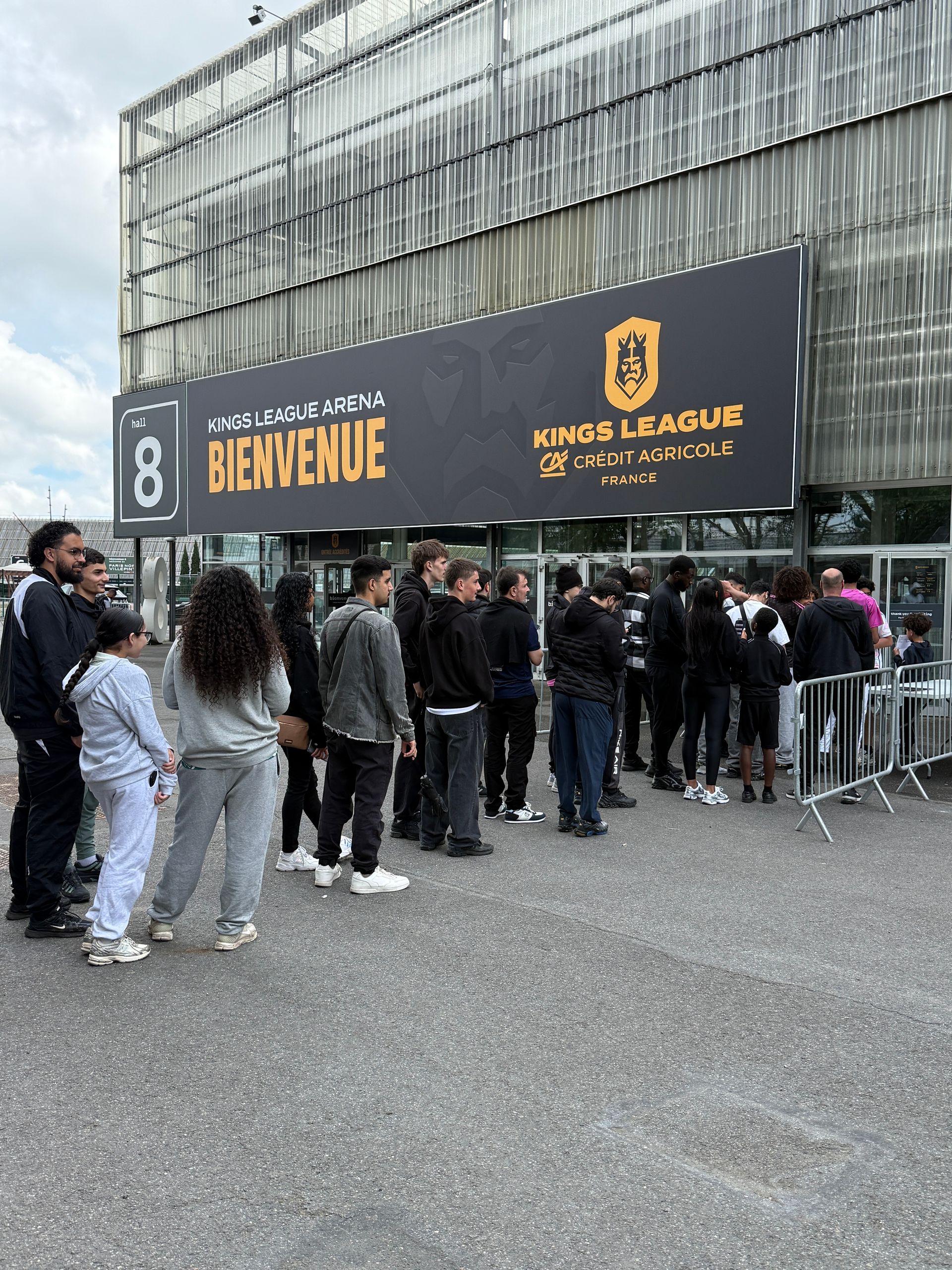
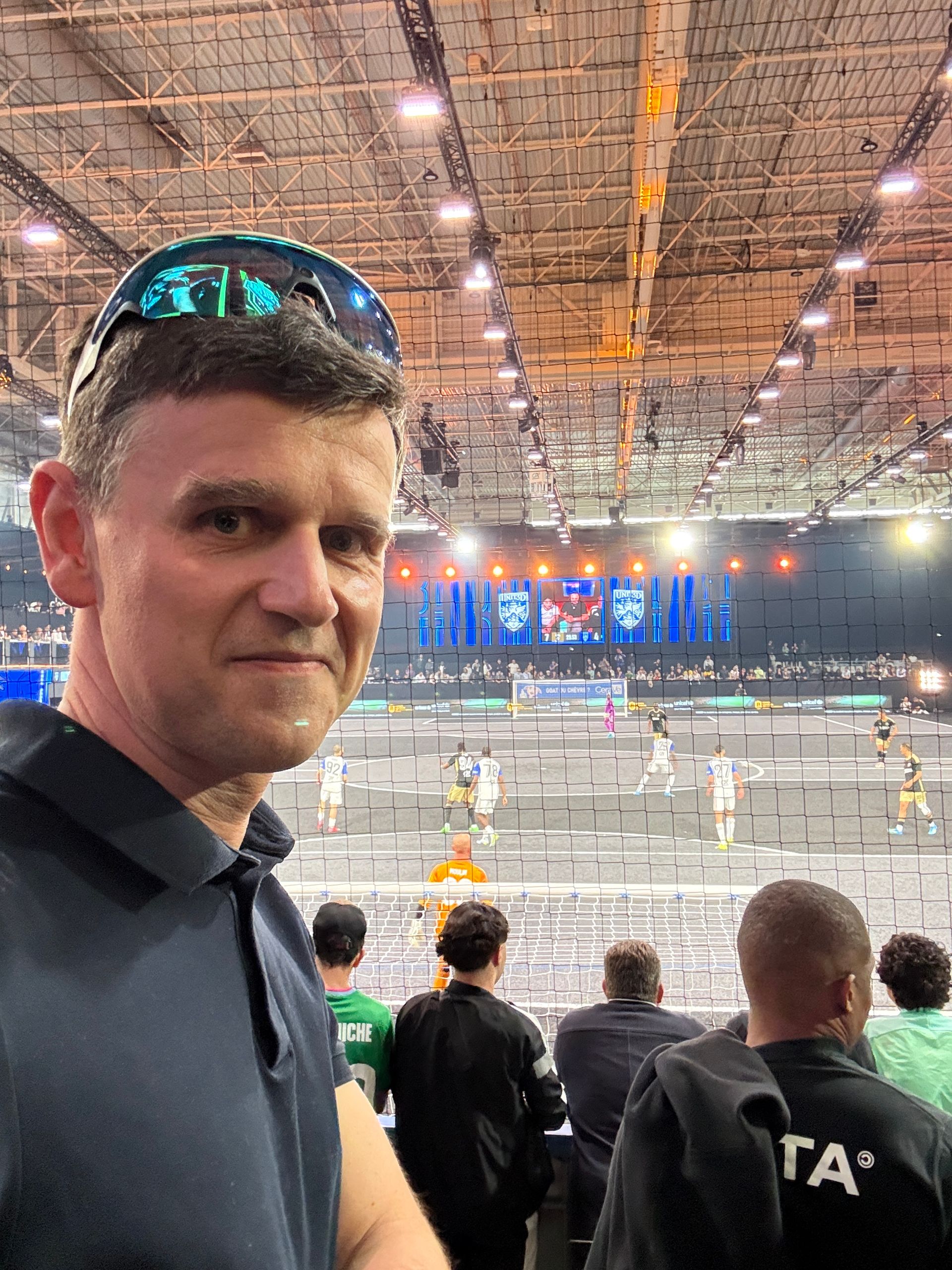
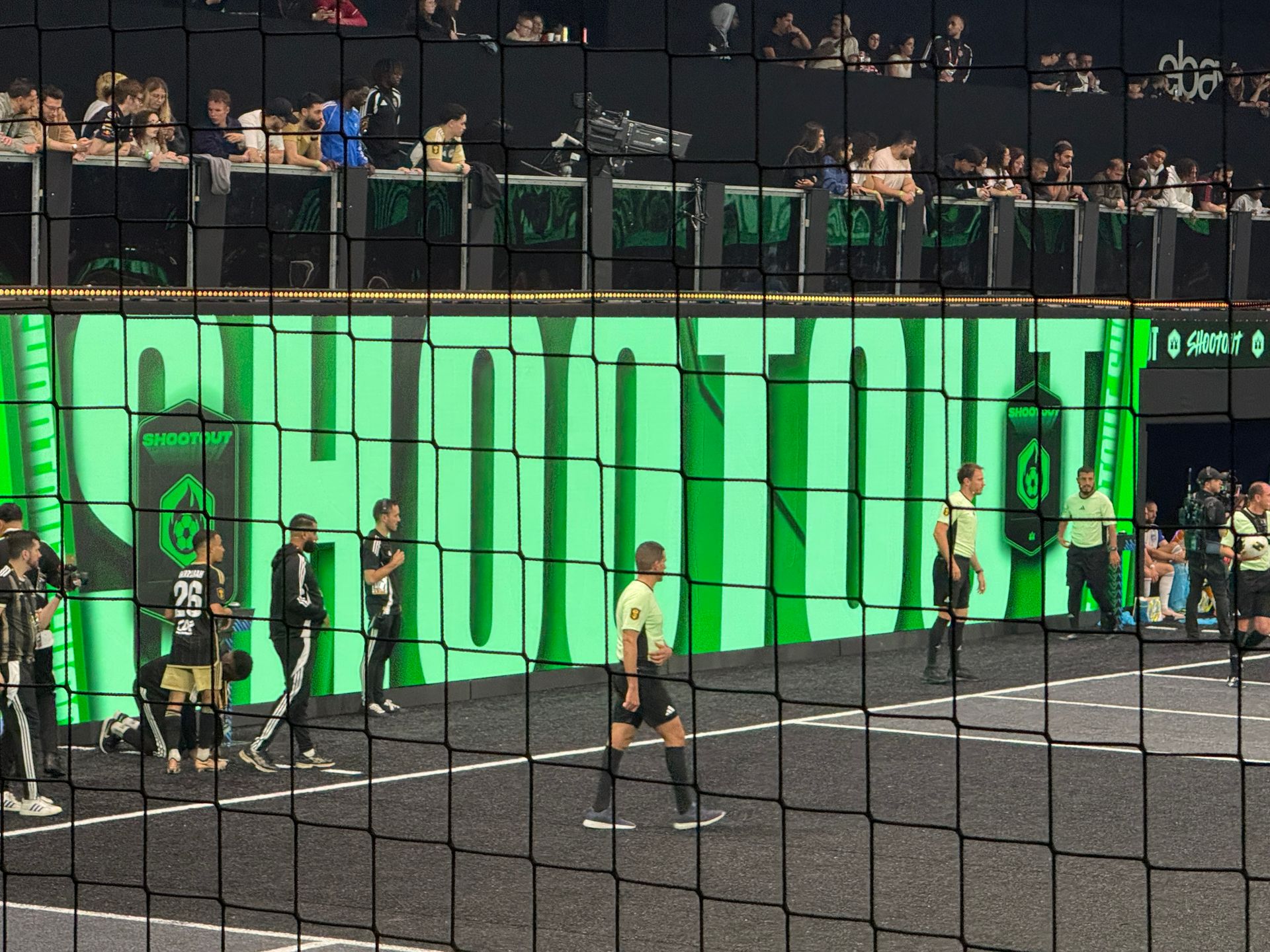
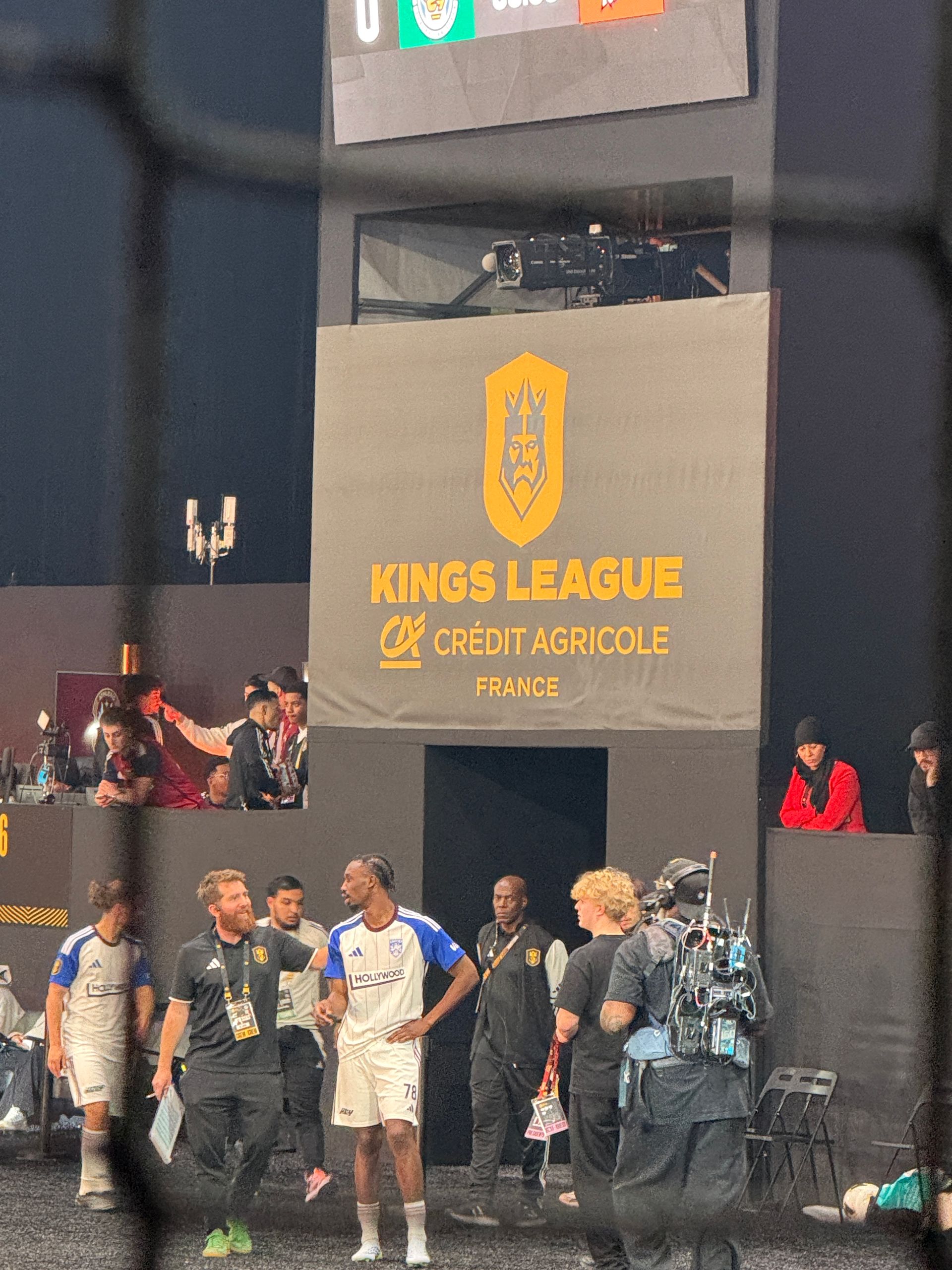
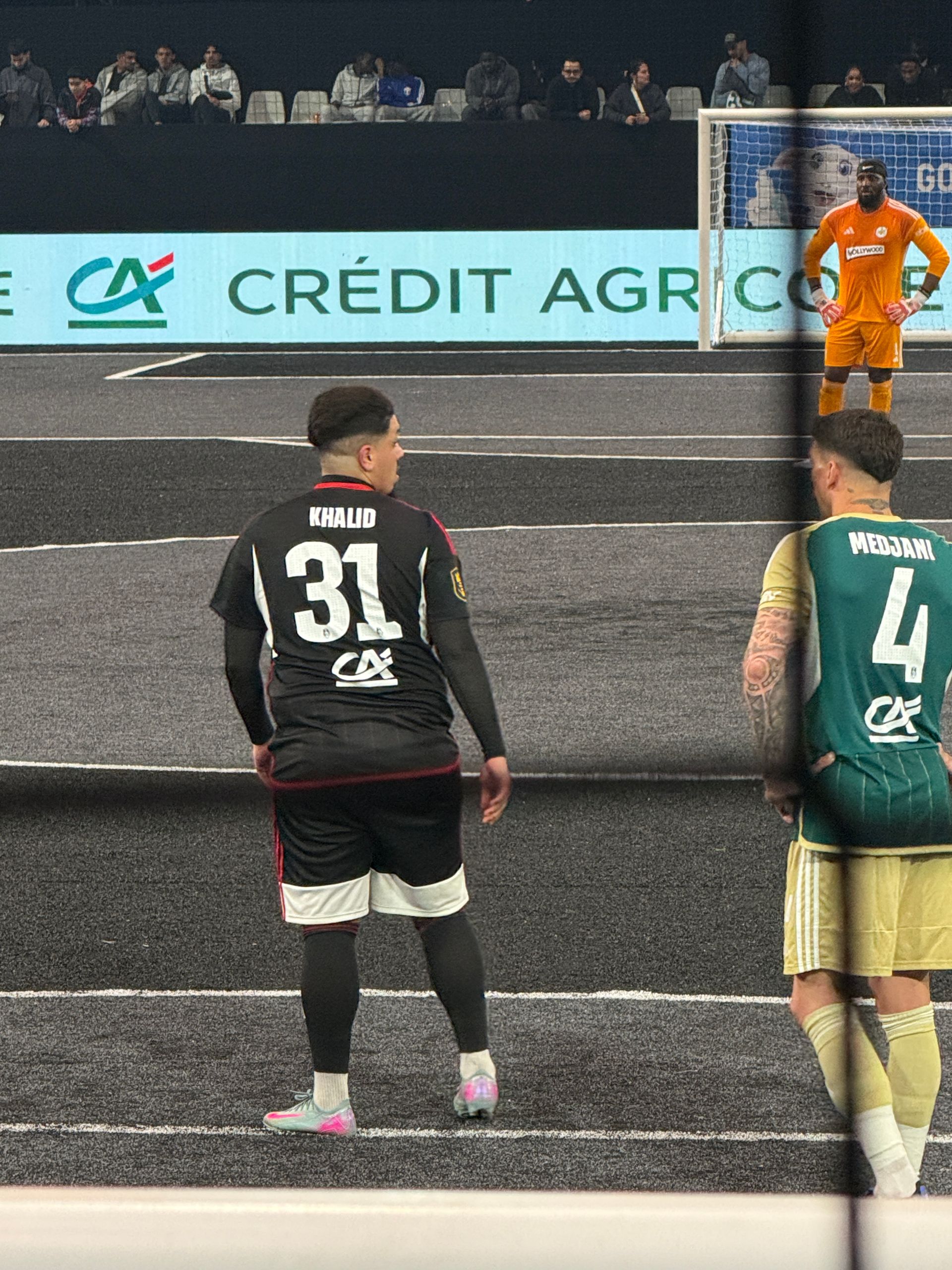
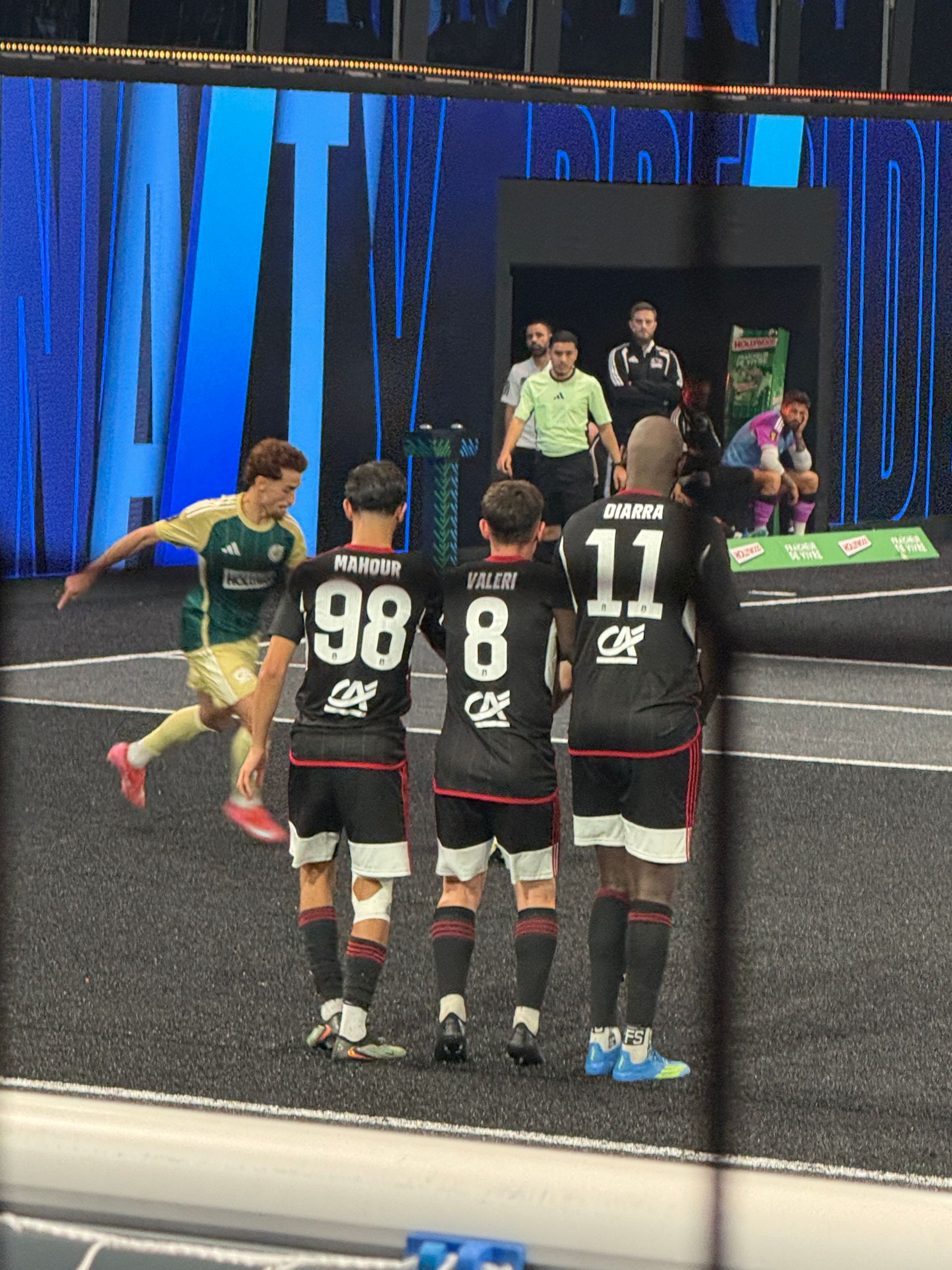
I don't play video games; I don't have the time. I first heard about the Kings League in October 2025, in a class at Harvard Business School Executive Education taught by Anita Elberse, the American economist whose work sits at the crossroads of entertainment, media and sport — the three forces the Kings League stitches together almost perfectly. It's no accident that Piqué was once her student: in 2017, still an active player, he finished her executive programme Business of Entertainment, Media and Sports, skipping the Juventus–Real Madrid Champions League final to make class. Eight years later, in November 2025, he was back at Harvard — this time invited by Elberse to teach two MBA sessions, after the school published its official case study on the league.
When the Kings League launched, LaLiga president Javier Tebas dismissed it as a "circus" and gave it six months. More than three years on, the league has just wrapped its second Kings World Cup Nations in Brazil, and its reach is growing at a rate no polite adjective quite covers — "exponential" is the one that keeps coming up.
I spent the past six months trying to work out what is actually happening at the seam between football and streaming — and where Poland fits into it. The short version: Poland is already in the game. Its national side, coached through streamer Piotr "Izak" Skowyrski and fronted symbolically by Robert Lewandowski as ambassador, made its debut in São Paulo in January 2026. Drawn into a brutal group with Italy, France and Algeria, the Poles went out at the group stage — but the fact that they were there at all is the story. Since November 2025, the country has also had Alfa Football, the first Polish imitation of the Spanish format, locally tweaked. It looks, at first glance, less promising — more on that below — but the Polish reflex to move fast hasn't let us down.
One peculiarity of the Kings League business model is worth flagging up front: team "presidents" — the streamers who double as owners, co-organisers and the league's main marketing channel — are paid not in cash but in equity, vested over time. Every creator becomes a part-owner with personal skin in the game. That, as much as anything, explains the growth. The other distinguishing feature is ruthless centralisation: a single entity, Kosmos Holding, owns the format, the rules and the distribution, in sharp contrast to the tangle of federations, associations and clubs that managers and investors have to negotiate in LaLiga, the NFL, or bodies like FIFA, UEFA and Poland's PZPN. It's the structural innovation that probably matters most — it's what lets the whole thing move at the speed it does.
But let's start at the beginning.
Piqué is no bystander in world sport. Born in Barcelona, schooled in La Masia, he began his senior career at Manchester United, winning the Premier League and the Champions League in 2007–08, before returning to Barcelona for fifteen seasons as a first-choice defender and captain. Eight La Liga titles, three Champions Leagues, more than a hundred caps, a 2010 World Cup and a Euro 2012 — thirty-six trophies in all. On the pitch, there was very little left for him to prove.
He could have parked his fortune in stocks and property, as most players do. Instead, it turns out, he had been quietly building a business career for years. In 2017, still an active player, he founded Kosmos Holding, an investment group in sport and media. An attempt to reinvent tennis's Davis Cup went nowhere. In 2018, Kosmos bought FC Andorra, then stuck in the fifth tier of Spanish football, and — on the back of Piqué's money — pushed it all the way up to the Segunda División. After that warm-up, he decided to chase a wilder idea, borrowed from esports. His partner in crime was Ibai Llanos, the biggest Spanish-speaking streamer on Twitch.
In interviews, Piqué tells the origin story like this: he and Ibai were leaving a restaurant in Barcelona when a group of kids playing in the street spotted Piqué and asked for a photo. Nothing unusual there. What surprised him was the reaction when the kids realised who Ibai was — they, in his words, "completely lost it." Streamers, he understood, aren't celebrities in the old sense; they spend hours every day with their communities, and the relationship is less hero-worship than friendship — shared jokes, shared stories, shared moods. He thought about his own two sons, bored during two-hour matches in which nothing much happened, yet unable to put down their controllers. The Kings League, he says, was born somewhere in that gap.
The idea sharpened over the summer of 2022: a seven-a-side football league in which the traditional rules of the game are spliced with the mechanics of a video game — different rules, different players, and, crucially, a different relationship with the audience, with popular streamers installed as team owners.
A quick comparison with the traditional game:
[MIEJSCE NA TABELĘ]
It gets more ridiculous — and more inventive — once you look at what's layered on top:
- At the 18-minute mark of each half, play stops and a giant die drops from the stands. The roll decides the format for the last two minutes: 3-v-3, 2-v-2 or 1-v-1. In football terms, absurd; as spectacle, it works.
- From the 38th minute, the white ball is replaced by an orange one, and every goal scored with it counts double. Down 4–0? Two late goals level it. Tension is engineered into the fixture itself.
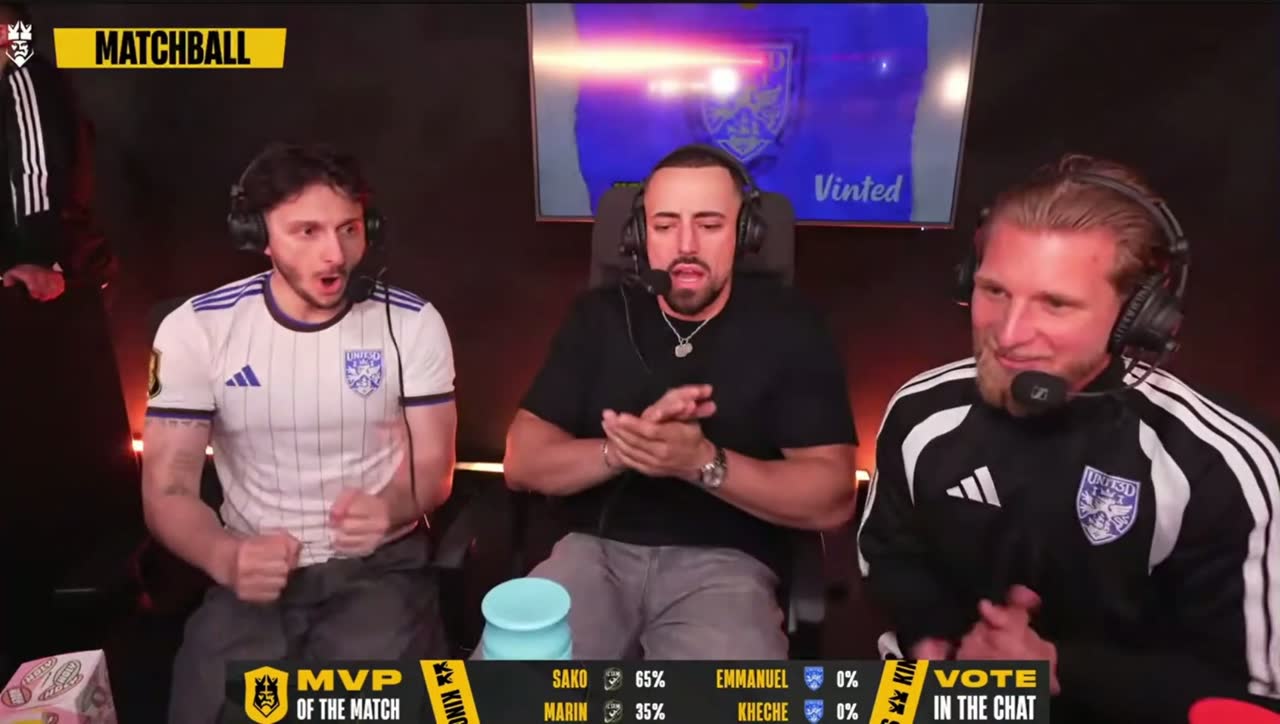
- The streamer-owner can hit a button at any point and walk onto the pitch to take a penalty themselves. They are almost never footballers. They almost never know what they're doing. The fans adore it.
- Before each match, the team draws a card to play in the second half: double-value goals for a window, a four-minute red card on any opposition player, a multiplier on a chosen striker, or the nastiest option — stealing the opponent's card. It's video-game logic ported directly onto grass.
- The standard 11-metre penalty isn't the only option. An alternative starts the taker at the halfway line with five seconds to beat the keeper one-on-one. It is, unsurprisingly, more cinematic.
- Which rules to keep, which to bin, what time to kick off — the audience decides.
The combined effect is a match that plays like a live simulation of a video game. Because a single entity controls the rulebook, every lever can be pulled in real time, in response to audience data, the board, or market conditions. Players and managers rarely get to ask for more.


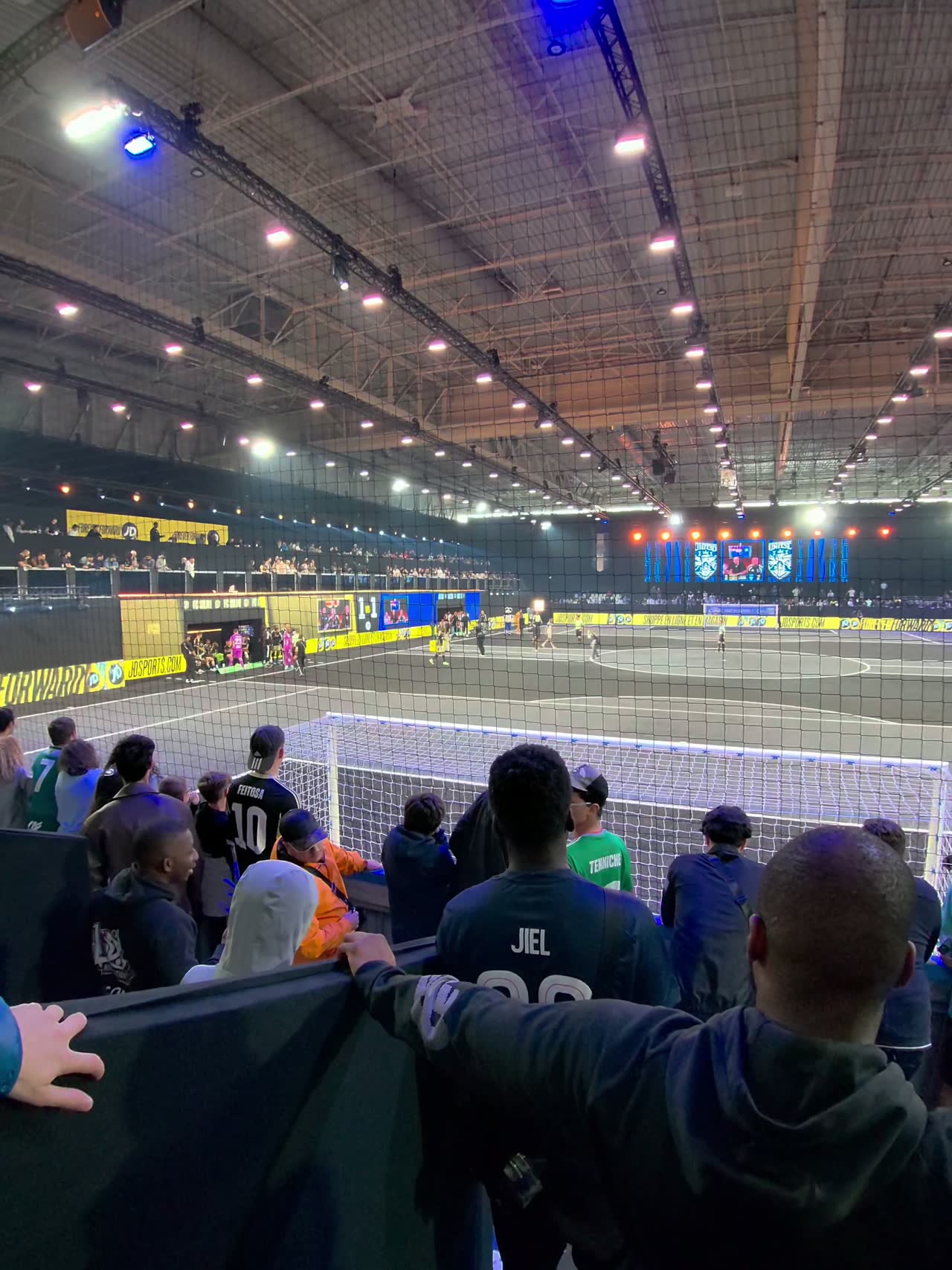

Traditional sports leagues live off broadcast rights. It is the industry's unshakeable article of faith. Piqué threw it out and bet on the opposite: maximum reach, as fast as possible. Kings League matches are, in effect, free — on YouTube, Twitch, TikTok and Facebook, with no exclusivity granted to any broadcaster. The product is the audience: millions of viewers who can wander in at any moment and stay for the fun. (It's the part of the model Poland's imitators have, so far, chosen not to replicate — more on that below.) Financially, the bet is working: Kings League Spain generated €20.5 million in revenue in 2023 and finished in the black, with the money coming from sponsorship, tickets to marquee finals at around €30 apiece, merchandise and licensing deals.
The team side is just as unconventional. Streamer-owners aren't paid in cash; they earn equity, vested over three years, on condition that they actively stream the matches and bring their audiences with them. It is an elegant piece of design — every owner is simultaneously the team's main marketing channel, and their interests are perfectly aligned with the league's. The league, in turn, picks up the players' wages — amateurs and semi-pros earning anything from tens to a few hundred euros per match — and the infrastructure is shared across the whole operation, keeping per-team costs low.
The result is an EBITDA margin of 35–60%, an eye-watering figure for a sports property, and one most traditional football clubs — often barely break-even — can only look at with envy.
There is also hard evidence that individual franchises are starting to carry real market value. Los Troncos FC — troncos is Spanish for "logs" or "stumps" — recently sold 15% of itself for €600,000, implying a valuation of around €4 million. Ibai Llanos turned down €5 million for half of his team. For a league barely three years old, that is not a bad place to be.

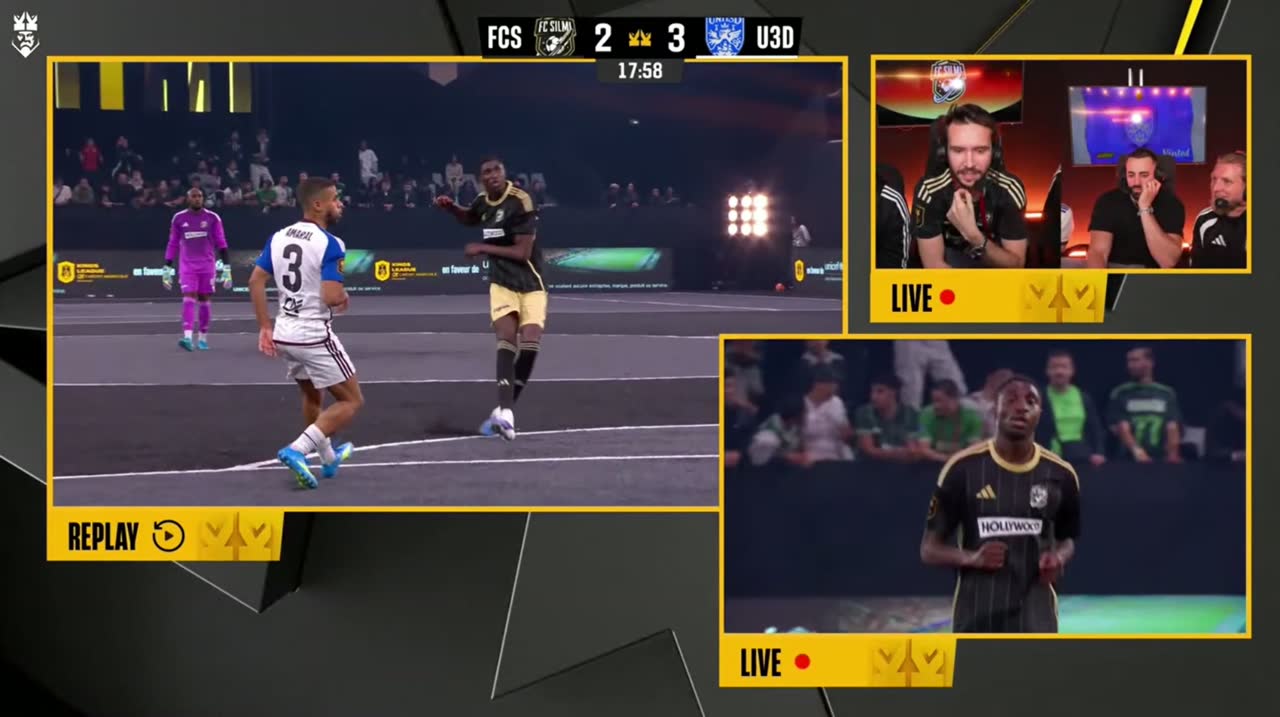




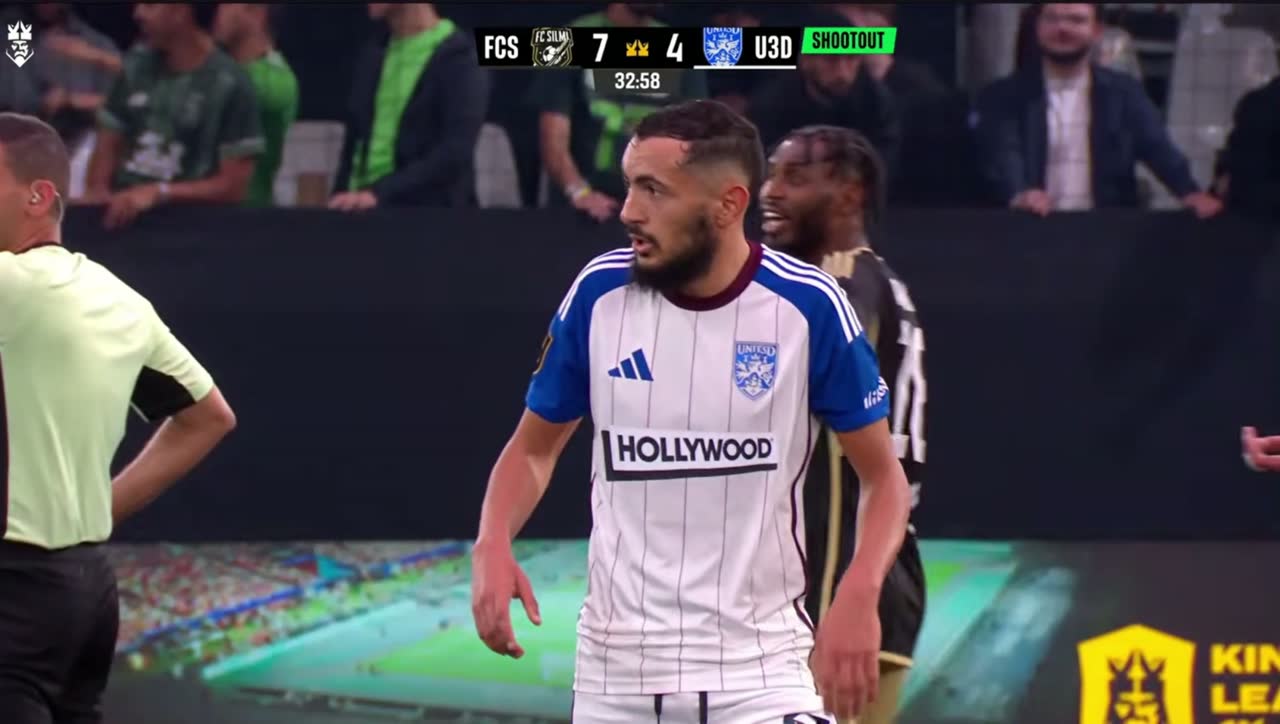

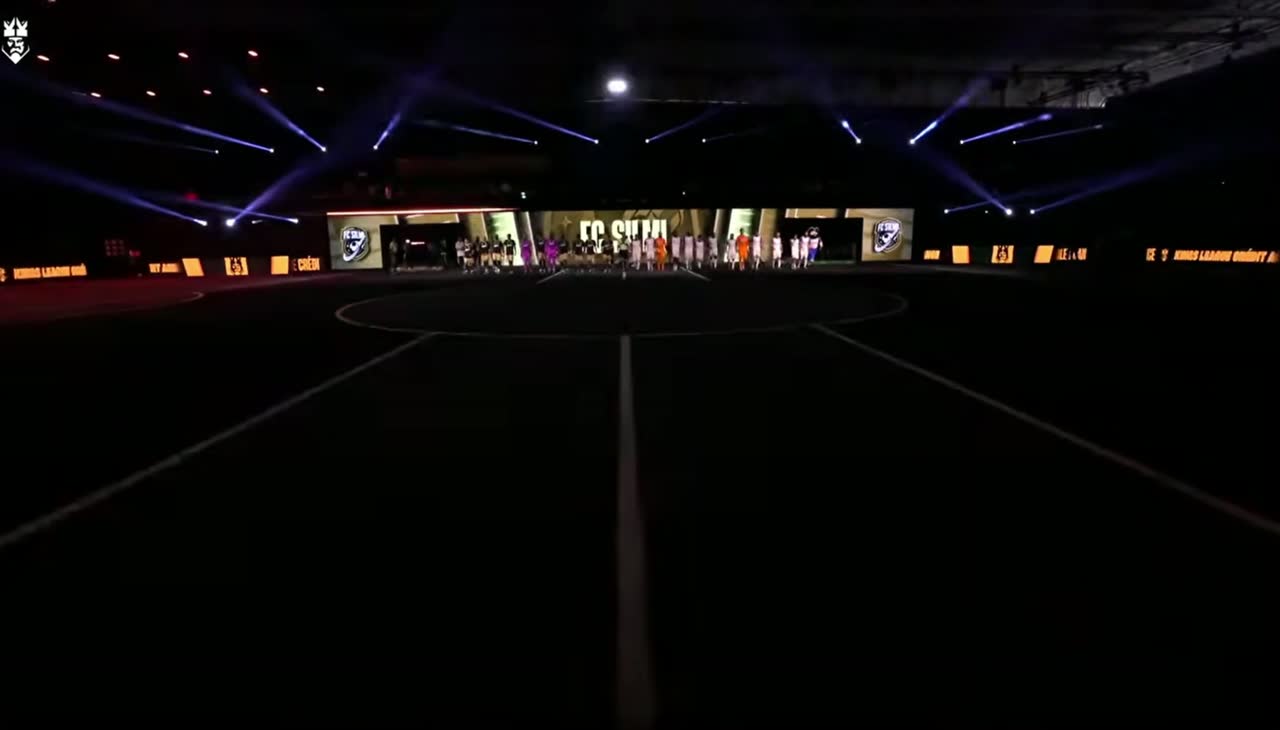


In May 2024, the Kings League raised €60 million in a Series A led by Left Lane Capital and Mexico's Fillip. Put another way: Piqué stopped writing the cheques himself and let venture capital in, on terms you'd expect for a tech startup, not a football league. Why now? Because copycats had started appearing in Mexico, Italy, Germany, the UK and Poland. He had, he explains in interviews, two strategic options: wait for the imitators to grow and try to buy them out, or plant his own flag everywhere first. He chose the second — expensive, risky, and, in a market of format arbitrage, probably the only sensible move.
The other startup-style decision was to hire a proper CEO. In October 2024, almost two years in, Djamel Agaoua — previously responsible for the NBA's international expansion — took over as global CEO, freeing Piqué from day-to-day operations as the league spread into new countries.
So is the Kings League a new sport or a startup? On one side of the ledger: an innovative business model, venture funding, hockey-stick growth, an NBA alumnus as CEO, and a near-obsession with data and reach. That is the vocabulary of Silicon Valley, not of sports federations. On the other side, as Piqué likes to point out, there are real pitches, real players, a real league schedule, World Cups played in 50,000-seat stadiums, and strategic partnerships with bodies like Serie A. That sounds like a fully grown sport.
Agaoua, who spent years inside the NBA, puts it plainly: the sports industry is overdue for serious change, and the Kings League has the one advantage the major leagues cannot easily replicate. It can move fast, without having to convince dozens of club owners or grind through layers of FIFA bureaucracy. That instinct is much closer to startup culture than to the operating system of traditional sport.
Kaká, the Brazil legend and president of Kings League Brazil, describes the format more simply — a mix of football and gaming — and, looking at the mechanics (randomness, card advantages, a virtual transfer economy), it's hard to argue. Underneath, though, the operating logic is pure startup: rules iterated quickly on fan feedback, a community growing at a rate traditional sport can only watch with envy.
The Kings League, in the end, is both: a new sport built with startup tools, and a startup whose product happens to be a sport.
A separate, genuinely interesting chapter in the Catalan project is the Queens League — the women's counterpart, launched in Spain in May 2023 and run on exactly the same template as the men's competition: 40-minute matches, smaller pitches, the same randomly drawn advantage cards, the same running penalties from the halfway line.
Teams are led by female streamers and influencers, with rosters made up of amateurs and semi-pros chosen in a draft, plus professional players who raise the technical level of the show. From the start, players from FC Barcelona Femení and the Spanish national team showed up as ambassadors and guests, lending the league a measure of credibility with the traditional football world — a world that, for its part, regards the Kings League with a mix of condescension and anxiety.
Its unofficial face is Samantha "Rivers" Rivera, the Mexican streamer who runs PIO FC and whose broadcasts routinely set viewership records on Twitch — a bridge, in effect, between the European and Latin American markets. In the first quarter of 2025, the Queens League became the most-watched women's sports organisation on TikTok globally, ahead of both the American NWSL and UEFA's Women's Champions League. A caveat is in order: beating the Champions League on TikTok is not the same as beating it on revenue, prestige or global recognition. It's platform-specific reach, not an industry revolution.
In 2024, Queens League Americas launched, and in June 2025 the two leagues met in Paris for the Queens Finalissima — the project's first genuinely intercontinental event. Spain's Las Troncas FC, led by the streamer Violeta, beat Mexico's Peluche Caligari ("Caligari Plushies") 5–4 in a breathless final. On the same day, in the same city, the men's Los Troncos FC won the Kings World Cup Clubs. Troncos and Troncas celebrating a double triumph at the same event is not quite coincidence — it's well-managed crossover.
In its first season, in the winter of 2023, matches drew an average of 532,000 viewers per week, and the Final Four — held at Camp Nou — pulled in 93,000 fans in person and peaked at 2.2 million concurrent online viewers. For a competition that was not yet three months old, it was a number even sceptics struggled to ignore.
The scale has only kept growing. The 2024 Kings World Cup Clubs in Mexico attracted a cumulative audience of more than 50 million. The first Kings World Cup Nations, in Turin in January 2025, reached roughly 100 million viewers, peaking at 3.5 million concurrent. For context, the 2024 UEFA Champions League final drew 145 million TV viewers — but the Kings League is getting there with amateurs and semi-pros, no exclusive broadcast deals, and essentially no traditional marketing budget.
Now that football has truly gone to bed with streaming, the reach numbers need to be read carefully. The crucial distinction is between unique viewers — individual people who watched an event — and total views, the sum of every play across every distribution channel. Kings League headlines tend to quote the second. Unlike audited TV ratings such as Nielsen's, streaming platforms — TikTok especially — count every one-to-three-second playback, which inflates engagement dramatically compared with the old picture of a viewer parked in front of a TV. For venture capital, though, gross reach and growth velocity are the metrics that matter, and in that frame — 5 million unique viewers vs. 100 million plays — it is viral potential that sells to advertisers.
Even after the discount, the facts stand up. On social media, the Kings League ranks first among sports leagues worldwide for average video views per post, ahead of the NFL and the NBA. More than 70% of its audience is between 18 and 34 — exactly the demographic traditional football has been quietly losing for years, unable to compete with the short-form, interactive, phone-first media diet younger fans now expect.
Javier Tebas, as it turns out, called it wrong. His "circus" jibe travelled the world — and, as the league's marketing director Marc Carrión later noted, gave the Kings League more publicity than any paid campaign could have bought.
The more serious objections are structural. Lower leagues and clubs have complained about players walking out mid-season to join the Kings League, and Spain's football federation has been urged to regulate the format. The complaint is real. The league operates in a grey zone between sport and entertainment, outside the regulatory perimeter that governs traditional competitions — which gives it enormous freedom of movement and raises fair questions about fairness to everyone else.
Is a competition whose rules are rewritten by social-media polls, and whose pitch colour is decided on Twitter, still a sport — or a very well-produced reality show with a ball in it? Piqué's answer, essentially, is that in traditional football the audience has no voice, and he wants them to have one. That sounds democratic and modern. It also begs the question of whether sport ought to be democratic at all — whether the point isn't precisely that competition, not audience preference, dictates the outcome.
The status of the players is a separate issue. The Kings League is mostly played by amateurs and semi-pros earning a few dozen euros a match, but global names like Ronaldinho or Neymar can appear on the same pitch as guests, hired by richer owners for marquee occasions. The dissonance between "sport for everyone" and "celebrity spectacle" is baked into the format and won't go away — it is, at once, the league's greatest weakness and its most potent hook.
In early 2026, Poland took part in the Kings World Cup Nations for the first time, debuting at the tournament held in São Paulo from 3–17 January. The national team was fronted by Robert Lewandowski as ambassador — he did not actually play — and by Piotr "Izak" Skowyrski, one of the country's best-known streamers and esports commentators, a long-time Counter-Strike voice with a busy presence on Twitch and YouTube. Izak was the public face of the Polish project and streamed every match with his own commentary, free, on his own channels.
The roster told you everything about the Kings League's philosophy. The core came from Poland's national socca team — including its best player, Norbert Jaszczak — which had just won the world championship in that discipline in late 2025; their coach, Klaudiusz Hirsch, took over the Kings League side too. Roger Guerreiro, São Paulo-born former Poland international, joined from traditional football. The mystery "secret player," unveiled just before the tournament, turned out to be Michał "Mata" Matczak — popular rapper, and, it so happens, president and player of the lower-league football club LKS Tajfun Ostrów Lubelski (B-class / fourth division). A socca world champion, a former Poland international, an eighth-tier rapper, and a streamer as captain — the team sheet alone tells you what the Kings League really is.
On the pitch, the debut was predictably tough. Poland lost 8–5 to Algeria and 7–3 to Italy, exited at the group stage, and even France struggled. The matches went out free on Kanał Sportowy and Izak's own channels; Superbet came on as lead sponsor. For the league, though, the result was beside the point: Poland is on the Kings League map.
If you ask when a national Polish Kings League will arrive, sceptics will point to Polish conservatism and a shallower streamer bench. But while the official Kings League franchise isn't here yet, its first serious local imitator has been running since the end of 2025. In this version, the Gerard Piqué figure is a man called Paweł Kowalczyk. The project, launched on 10 November 2025, is called Alfa Football, and its tagline reads: "Born on the streets. Built for screens".
While Piqué concentrates on cracking the United States, in April 2026 Poland has quietly become one of the most interesting test sites for the "creator-led sports" format. The country is no longer a passive observer; it's one of the markets that has generated its own local mutation of the royal league.
The mutation is Season Zero of the Alfa Football league, which ended with a set-piece final at TAURON Arena Kraków. Poland broke from Piqué's playbook in one important way: instead of fully free streaming, Alfa went hybrid, putting the final behind a CANAL+ paywall — a bet that Polish viewers will pay for a professionally produced influencer football show. Whether that's a clever local tweak or a strategic mistake remains to be seen; the original's growth has been built squarely on being democratic and free.
Behind Alfa Football is Kowalczyk, a CEO with a track record in gaming and esports, including a stint running the Polish Esports League, and years of work with the Weszło group on creative and coaching formats, among them the popular "Jose Rudinho".
Less than three months passed between the project's announcement and its final in Poland's largest arena. Alfa Football framed the 2025/26 season as a pilot, Season Zero, a test of whether the format could work in Poland at all. The answer arrived on 25 January 2026, at TAURON Arena Kraków, where eight teams and eighty players closed out the competition. FC Kocury, led by Qeska, won; Karol Bienias was the night's hero with four goals. The prize pool was 500,000 złoty.
The group stage was free on YouTube, but the final sat exclusively on CANAL+, at 39 złoty with a subscription or 49 złoty without. Tickets started at around 190 złoty on the door. It is the exact opposite of Piqué's founding bet, and the experiment is a real one: will Polish audiences pay for this kind of show? Neither the organisers nor CANAL+ have released viewership data. What is public is that Alfa Football's YouTube channel currently has 4,237 subscribers — a figure that says more about the scale of the launch than about the ceiling of the project. For comparison, Kings League Spain has 1.31 million subscribers, Kings League Germany has 112,000, and Baller League — the German imitation, running since December 2023 — has 84,000.
The obvious assumption would be that the hardest part for a royal league is the launch itself — winning the first fans, getting past public scepticism, surviving the head-to-head against traditional football. In fact, the most stressful stretch is right now. Piqué is racing to build out a team that can both take new markets and defend his own brand against fast followers like Germany's Baller and Icon League, or Poland's Alfa Football. A few of the milestones from the past year that matter most:
· In May 2025, the Kings League officially entered the Middle East and North Africa through a joint venture with SURJ Sports Investment, a subsidiary of Saudi Arabia's Public Investment Fund (PIF). Kings League MENA, based in Saudi Arabia, is the seventh league in the portfolio; its inaugural edition, Kings Cup MENA, ran as part of the Riyadh Season festival.
· For the 2025/26 cycle, the Kings World Cup Nations expanded from 16 to 20 teams, with India and Indonesia joining Poland as newcomers.
· Another cup format was added after the Queens Cup — and, in hindsight, an obvious one: a national-champions showdown between the winners of Kings Cup Spain, Kings Cup Italy and Kings Cup Germany in a three-way tournament. Another startup-style iteration: a new layer of competition between countries, with no external federation's approval required.
· CEO Djamel Agaoua has told Reuters and Sportcal that a U.S. league is on the roadmap for 2026, making it the next major expansion priority. The American streaming market runs to roughly 100 million people. The Kings League estimates entry costs at over €7 million, and is openly considering extending the model beyond football into basketball, tennis and combat sports.
· In February 2026, the Kings League announced a $63 million fundraising round led by Alignment Growth — a U.S. media-and-entertainment specialist — with existing shareholders (Left Lane, Antifund, Bolt Ventures and Kosmos) rolling over. At the same time, Kevin Tsujihara, the former head of Warner Bros., joined the board — quietly moving the Kings League from the "sports" bucket into the "global media empire" one. Total funding since 2023 now tops $160 million, earmarked for the U.S. push and further international expansion.
· Piqué is no longer just building leagues; he is starting to behave like a corporate acquirer. Agaoua has spoken openly about M&A, including the possibility of buying Germany's Baller League on the way to becoming the "FIFA of streaming".
· The stated priority for the next few years is Asia, followed by the launch of 30–40 new leagues in 30–40 selected countries over four to five years, on a franchise basis.
The clock is ticking, and Piqué has to keep his hand on every lever. For everyone else watching, the next few years promise a compelling piece of sport-meets-business theatre. The competition isn't resting, and, sooner or later, traditional football will have to react. Given Tebas's temperament and the layered governance of the legacy leagues, deep change isn't coming tomorrow. But expect a flood — probably a glut — of Alfa Football- and Baller League-style ventures.
The decisive factor is that Kosmos owns the format, the rules and the distribution in a single entity, which gives it unusual freedom to shape strategy and plug in brand partners. From Elberse's vantage point, consolidating the IP in one place is the core source of competitive advantage, and what makes the league's cash flows predictable and modellable — something a fragmented ownership structure can't deliver.
Elberse's lens matters here for a specific reason. Her bestseller Blockbusters: Hit-Making, Risk-Taking, and the Big Business of Entertainment argues that in creative industries, the winning strategy is to concentrate resources on a handful of products with mass-market potential, rather than spreading them thinly across a wide portfolio. Viewed through that frame, the Kings League isn't simply a football league — it's a blockbuster-style experiment: one strong IP, one entity controlling the entire value chain, scaled into new markets by franchise. If the model holds — and so far the signs point that way — Kosmos won't need FIFA's or UEFA's permission any more than Netflix needed the television networks' to rewrite distribution.
The Kings League defies its categories. It isn't a traditional football league, it isn't esports, it isn't an entertainment show — it's a new format built on a clear read of how people aged 15 to 30 consume media in the middle of the third decade of this century: on their phones, in short attention windows between tasks, expecting interaction and compressed emotion within forty minutes, rather than a ninety-minute match that might end nil-nil. And — importantly — with a sense of humour.
Three-plus years in, the Kings League has overtaken the NFL in social-media engagement and pulled 400,000 viewers for its first match in Brazil — a country where football is a religion, not a pastime. The circus, it turns out, has a better audience than the spectacle.
What could still derail it, despite the money and the strategy? The format runs on constant stimulation, and there is a well-documented phenomenon in entertainment psychology — saturation. If "absurd" becomes the baseline, it stops exciting anyone. Traditional football has endured for 150 years precisely because its drama is rare and expensive. In the Kings League, drama is, in a sense, algorithmically manufactured. The risk is that in two or three years the format becomes so predictable in its unpredictability that engagement collapses. And a new generation may well emerge that is simply immune to this particular kind of stimulation — and sceptical of the algorithms producing it.
That, though, is a problem for later. For now, Poland is stepping onto the pitch. The question is no longer whether the Kings League will survive. After the last three years, we know the circus is going on. The real questions are how many more Alfa Football-style variations Poland will see, and whether they will find a real audience — and when, and on what terms, a proper Polish Kings League will arrive, who will front it, and whether there are enough fans here ready to accept that their sport can look like a video game and still be a real sport. The people behind Poland's debut clearly have no doubts on that count. I think the fans are ready too — even if they don't know it yet.


